
Sanguisorba ancistroides
Sanguisorba ancistroides
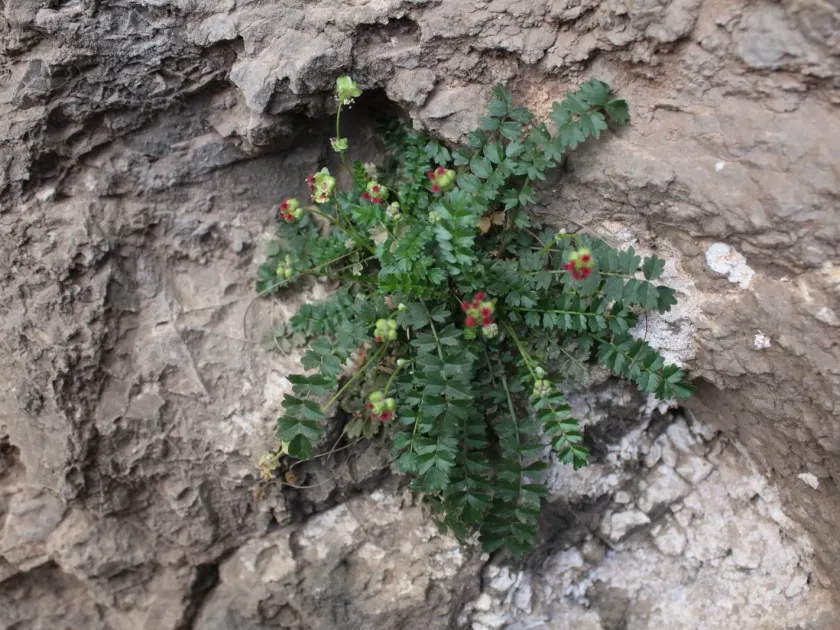
Description
Sowing dates
Sanguisorba ancistroides is a perennial herbaceous plant belonging to the Rosaceae family. In agricultural practices, the optimal sowing time is during the early spring once the soil temperature consistently reaches 8–10 degrees Celsius, which is necessary for uniform germination and early establishment.
For regions with harsh winters, sowing in late autumn allows the seeds to undergo natural stratification, often resulting in higher field emergence rates. Seeds should be planted at a depth of 1.5 to 2 centimeters, ensuring they remain in close contact with moist soil to facilitate optimal hydration for the embryo.
Row seeding is recommended for commercial cultivation, with spacing between 30 and 45 centimeters to allow for proper airflow and development. When grown for seed production, lower seeding rates are advised to avoid overcrowding, which can otherwise impede the development of productive flower spikes.
Effective weed management during the seedling stage is critical, as Sanguisorba species tend to grow slowly when they are young. Removing competing vegetation in the first weeks post-germination is essential to allow the crop to establish a robust root system and reach its full vegetative potential.
When used as part of a forage mix, Sanguisorba ancistroides is often interseeded with perennial grasses. This combination creates a resilient pasture ecosystem that is capable of withstanding heavy grazing while maintaining soil structure and supporting biodiversity within the agricultural landscape.
Growing requirements
Originally native to mountainous regions, this plant is well-adapted to rocky and skeletal soils, though it performs best in well-structured, fertile loams. Its strong drought tolerance makes it a valuable candidate for dryland farming systems where water availability is a limiting factor for traditional crops.
The ideal soil pH for Sanguisorba ancistroides ranges from 6.0 to 7.5, providing the necessary environment for nutrient uptake. The plant is sensitive to waterlogging; therefore, well-drained fields are necessary to prevent root rot and ensure the longevity of the perennial stand over many production seasons.
As a heliophilous species, it requires abundant sunlight for maximum biomass production and vigor. Sites with full sun exposure are preferred, as shade can cause the plant to become etiolated, reducing the overall nutrient content and the quantity of the green matter harvested for animal feed or medicinal use.
The plant exhibits remarkable cold hardiness, which is a key biological adaptation that allows it to survive in continental climates. A period of winter dormancy is required for the plant to conserve energy in its rhizomes, which fuels rapid vegetative growth as soon as temperatures rise in the spring.
Balanced fertilization with phosphorus and potassium is recommended to support deep root development and stress tolerance. Excessive nitrogen should be avoided to prevent rank growth, as the primary goal in many management systems is maintaining high-quality, dense forage rather than simply maximizing height.
Main diseases and pests
Sanguisorba ancistroides is naturally resilient, possessing phytochemical properties that deter many common agricultural pests and diseases. However, in poorly ventilated or excessively humid conditions, the plant may occasionally succumb to powdery mildew, which typically affects the leaf surfaces.
Insect pests, such as weevils, may cause minor damage during the early growth phases of the crop. Regular field scouting is recommended to identify the onset of infestation, allowing for the use of targeted biological controls rather than broad-spectrum chemicals, which helps preserve the farm ecosystem.
Root rot remains the most significant threat when soil drainage is inadequate. Managing water movement across the field and maintaining proper soil structure are the best preventive measures to ensure the health of the rhizome system and the overall survival of the stand in high-moisture environments.
Seed preservation requires careful control of storage moisture levels to prevent the growth of molds and pathogenic fungi. Proper drying techniques post-harvest are essential to maintain high viability and germination potential of the seed stock for future planting seasons or commercial distribution.
Integrated pest management strategies are standard in modern production to minimize losses while adhering to environmental safety standards. Maintaining the correct stand density and practicing crop rotation are effective ways to limit the buildup of host-specific pathogens and pests within the field.