
Poteridium annuum
Poteridium annuum
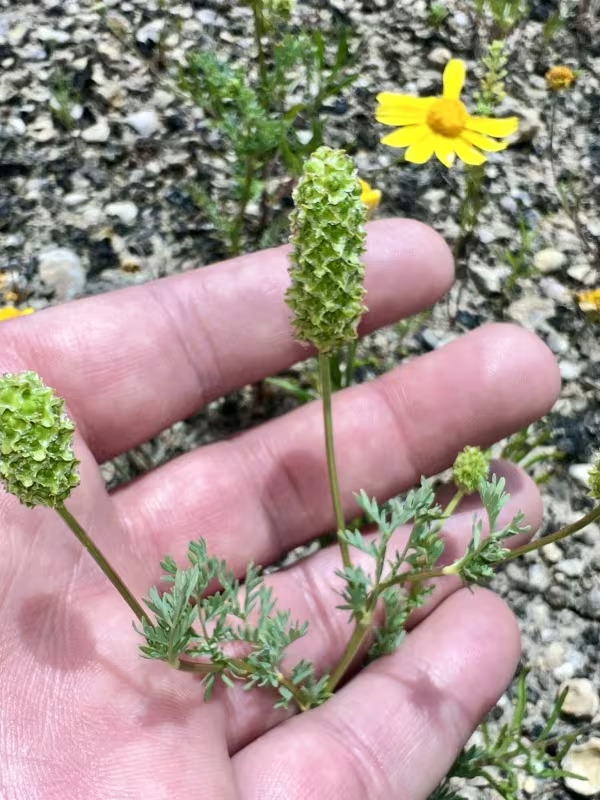
Description
Sowing dates
Poteridium annuum is typically sown in the spring when soil temperatures reach 8–10 degrees Celsius at the seeding depth. Optimal sowing periods in most regions fall between late April and the first ten days of May.
To ensure uniform germination, seeds require high-quality soil preparation, including harrowing and rolling. The sowing depth varies from 2 to 4 centimeters depending on soil type, which ensures sufficient contact with the moist soil layer.
The seeding rate is calculated based on the intended use of the crop, averaging 15–20 kilograms per hectare with row sowing. A recommended row spacing of 15 centimeters is used to maintain optimal stand density.
When grown in mixtures with other crops, sowing dates may be adjusted to synchronize development within the agro-ecosystem. It is important to avoid late sowing, as this can shorten the vegetative period and reduce biomass yields.
Seedling emergence monitoring is conducted 10–14 days after sowing, depending on thermal conditions. Timely inspection allows for reseeding or overseeding in sparse field areas if necessary.
Growing requirements
The crop belongs to the Rosaceae family and shows high adaptability to temperate climate conditions, preferring sunny areas. Poteridium annuum develops successfully when sufficient rainfall is available during the first half of the vegetative stage.
Preferred soil types include well-drained loamy and sandy loam soils with a neutral or slightly acidic pH. Excessive waterlogging and stagnant groundwater negatively affect the plant root system development.
For full growth, the plant requires intensive light conditions, so dense stands or shading by neighboring crops can reduce productivity. The plant responds well to mineral fertilizers, particularly nitrogen components during the active growth phase.
The temperature optimum for vegetation is 18–22 degrees Celsius, although the plant can withstand short-term temperature fluctuations. The crop has moderate drought tolerance, though irrigation may be required during dry periods.
Soil structure should be loose to ensure normal gas exchange and moisture penetration. Deep autumn plowing is recommended to accumulate moisture and improve the topsoil structure before spring planting.
Yield
The green mass yield of Poteridium annuum depends directly on agricultural management, seed quality, and the hydrothermal conditions of the year. Under favorable conditions, productivity indicators reach high levels for annual herbaceous crops.
On average, green mass harvests can reach 200–300 centners per hectare. Dry matter indicators depend on the plant growth stage at the time of mowing and usually account for about 25–30 percent of the raw weight.
Maximum yields are achieved by timely fertilization and weed control measures. Regular monitoring of crop conditions allows for adjustments in care practices and increases final production output.
To assess productivity, selective sampling from test plots is performed. Yield also depends on plant density, so adhering to agricultural standards during sowing is critical for the outcome.
Post-harvest residues contribute to soil structure improvement by enriching it with organic matter. This makes Poteridium a promising component in crop rotation for soil fertility restoration.
Main diseases and pests
Like other members of the Rosaceae family, Poteridium annuum can be affected by fungal diseases such as powdery mildew and various types of leaf spot. High air humidity and dense crops favor infection development.
Pests that pose a threat include phytophages that damage the leaf apparatus and generative organs. Timely treatment with insecticides allows for the containment of infection clusters during early stages of vegetation.
Weeds pose the main competition during the initial growth stage, consuming nutrients and moisture. The application of selective herbicides is standard practice for controlling field weediness.
Root system damage is possible through improper soil cultivation or attacks by soil-dwelling pests. Preventive measures include crop rotation and adhering to optimal timelines for field operations.
- Regular inspection for disease signs
- Monitoring of pest insect populations
- Timely inter-row weeding
- Usage of high-quality treated seed material
Harvesting
Harvesting of Poteridium annuum is performed at the onset of flowering, when nutrient accumulation in vegetative mass is at its peak. Delaying the harvest leads to stem lignification and loss of nutritional value.
The harvesting method is chosen based on end-use: mowing with chopping for silage or mowing with wilting for haylage production. Using modern forage harvesting machinery minimizes losses.
The optimal cutting height is 5–7 centimeters to ensure rapid regrowth (if a second cut is planned) or to maintain the purity of the harvested mass. Harvesting cleanliness directly affects the quality of the final feed.
Weather conditions during harvest play a key role; periods with low air humidity are preferred. This shortens the drying time and reduces the risk of rotting processes.
After harvesting, initial processing of the collected material must be carried out according to technological guidelines. Efficient logistics from field to storage ensures the retention of all nutritional characteristics.