
Deseglise's Rose
Rosa deseglisei
Description
Growing requirements
Deseglise's Rose (Rosa deseglisei) is a perennial shrub belonging to the Rosaceae family. This species is recognized as a significant wild rose variant native to Central and Western Europe, often found in hedgerows, scrublands, and forest margins where it thrives in natural environments.
In terms of habitat, this plant demonstrates remarkable adaptability to various temperate climate conditions. It prefers full sun to partial shade, which encourages optimal flowering and subsequent fruit production. The plant is hardy and can withstand fluctuations in temperature typical of its native European range.
Soil requirements for Rosa deseglisei involve well-drained, nutrient-rich substrates, preferably with a slightly acidic to neutral pH level. While it can survive on poorer soils, its growth rate and vitality improve significantly when provided with adequate organic matter and consistent moisture during the establishment phase.
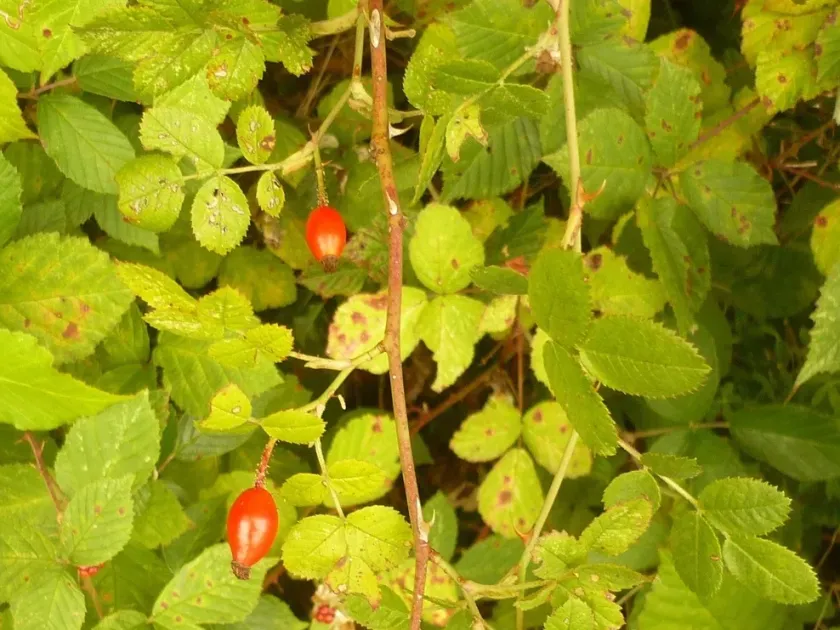
Botanically, the plant is characterized by its thorny stems and pinnate leaves, typical of the genus Rosa. Its ecological role is significant as it provides nectar for pollinators and shelter for small fauna. The fruits, known as hips, develop after flowering and contain high levels of vitamins and essential nutrients.
Agricultural techniques for this species include maintaining open spacing to promote air circulation and regular pruning to manage the bush size. It is often employed in agroforestry projects or as a natural hedge, serving both functional purposes in soil conservation and providing a sustainable source of botanical material.
Main diseases and pests
Like many members of the rose family, Rosa deseglisei is susceptible to common fungal diseases such as powdery mildew. This pathogen typically manifests as a white, dusty layer on leaves during humid weather, which can potentially hinder photosynthesis if left untreated for extended periods.
Rust disease is another potential issue, characterized by orange pustules on the foliage. To mitigate the spread of fungal infections, it is essential to keep the area around the base of the plant free from debris and to ensure that the bushes are not planted too closely together, allowing for proper ventilation.
Pest pressures primarily come from sap-sucking insects such as aphids and spider mites, which can cause leaf curling and stunted growth. Monitoring the foliage during the spring and early summer growth phases is crucial for timely detection and management of pest populations before they cause major stress.
In cases of severe infestation or disease, manual removal of infected parts combined with the application of appropriate biological control agents is the recommended approach. Because this is a hardy wild species, its resilience is generally superior to modern ornamental rose cultivars.
Overall, maintaining the health of the plant through proper irrigation and balanced fertilization provides the best defense against threats. By keeping the bushes vigorous, Rosa deseglisei can easily overcome minor pest attacks and seasonal disease pressures without significant loss of yield.