
Field parsley-piert
Aphanes arvensis L.
Description
Growing requirements
Field parsley-piert (Aphanes arvensis L.) is a small annual plant belonging to the Rosaceae family. It is recognized primarily as an agricultural weed that thrives in arable lands, particularly within cereal crop fields where it competes for light and space.
The plant is native to Europe and has naturalized in many temperate regions globally. It shows a preference for light, well-drained soils, often appearing on sandy or loamy textures where it can establish rapidly after soil disturbance.
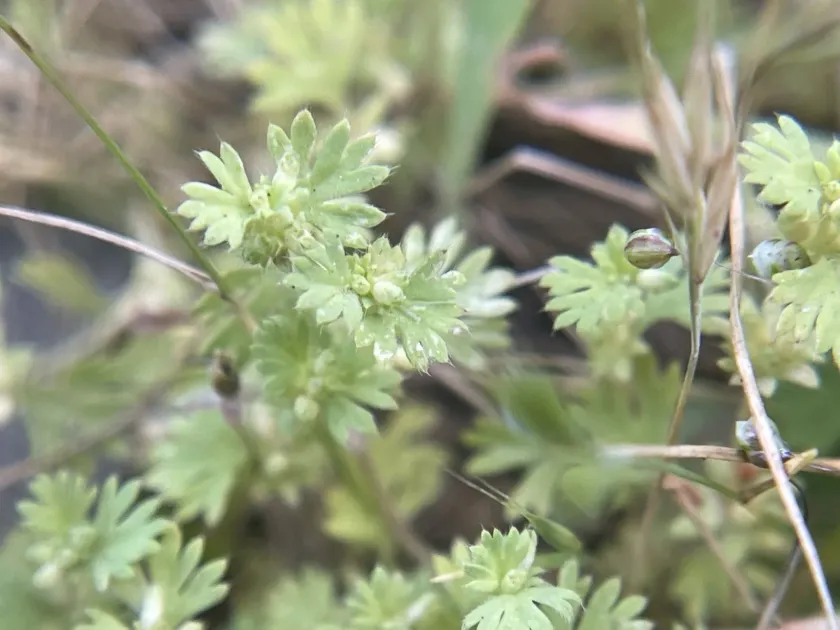
Botany of Aphanes arvensis is characterized by its prostrate habit, finely divided leaves, and tiny green flowers hidden by leafy stipules. Its root system is relatively shallow, allowing it to exploit the surface layer of the soil effectively.
Climatic requirements are focused on temperate conditions. The plant is hardy enough to endure early spring cold snaps, which facilitates its early growth in winter-sown cereal fields, often gaining a competitive advantage over slower-developing crops.
Good agricultural practices are essential for managing this weed. Proper tillage methods that minimize the burial of seeds deep in the soil, combined with balanced fertilization, can help create conditions where the main crop dominates the field.
Main diseases and pests
The main threat posed by field parsley-piert is its competitive nature during the early vegetative stages of the crop. By forming dense mats, it can deplete the soil moisture and nutrients necessary for the crop's development.
It can potentially harbor pathogens or pests, although it is not considered a primary host for major agricultural diseases. Nonetheless, its presence in large numbers can interfere with field monitoring and late-season crop development.
Chemical control involving selective herbicides is a standard procedure in many regions. Timing is critical, as treatment is most effective when the plants are in their early stages of growth before they produce seeds.
Mechanical cultivation or harrowing can effectively manage the weed population if executed correctly. These techniques disrupt the plant’s shallow roots, leading to rapid desiccation of the weed specimens.
Finally, farmers should focus on seed purity. Contaminated crop seeds are a primary vector for the introduction of Aphanes arvensis into new agricultural areas, making inspection and cleaning essential parts of farm management.