
Polysiphonia
Polysiphonia
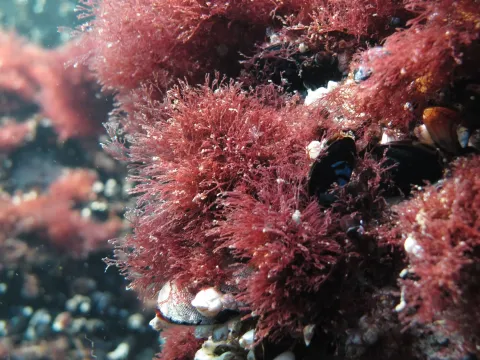
Polysiphonia is a prominent genus within the Rhodomelaceae family, representing a complex group of red algae. These organisms are widely distributed globally, thriving in intertidal and subtidal zones where they attach to rocks or other algae via specialized rhizoids.
What the section contains

Polysiphonia
The cultivation of Polysiphonia requires specific environmental conditions, primarily focusing on salinity, water movement, and light exposure. These algae perform best in temperate waters with consistent nutrient availability to support their complex filamentous thallus growth.
Botanically, the species is characterized by a distinctive arrangement of pericentral cells surrounding a central axial row. This structure provides structural integrity against currents, making them resilient in diverse coastal environments.
Requirements for growth include a stable temperature range, typically between 10°C and 20°C, and access to nitrates and phosphates in the water column. Advanced aquaculture setups utilize continuous water exchange to maintain nutrient levels and prevent stagnation.
Agricultural techniques involve the use of artificial substrates or netting to optimize the density of the growth. Maintenance is critical to ensure that light penetrates the inner layers of the algae mass to maximize photosynthetic output.
The industrial utility of Polysiphonia lies in the extraction of polysaccharides and various bioactive compounds used in medical and food research. Yield is measured by the total biomass harvested per unit area during the growth cycle.
Effective biomass accumulation is facilitated by selecting optimal harvesting seasons that align with the species' peak growth cycles. Proper post-harvest handling, including rapid drying or preservation, is essential to maintain the concentration of key biochemical compounds.
Diseases in Polysiphonia are often linked to pathogenic bacterial infections, which can weaken the filament structure. Furthermore, intense competition from faster-growing green or brown algae species can smother Polysiphonia populations in controlled environments.
Grazing by marine herbivores, such as snails and crustaceans, represents a significant biological threat. Effective site selection and occasional physical removal of predators are standard management practices to safeguard the crop against significant biomass loss.