
Polysiphonia sertularioides
Polysiphonia sertularioides
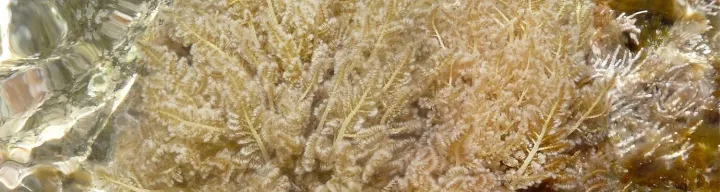
Description
Sowing dates
This species is a perennial red alga, therefore its reproduction in the natural environment does not involve traditional sowing. Propagation is carried out mainly through the formation of spores, which attach to the substrate using rhizoids.
In mariculture conditions, cultivation begins with obtaining seed material in laboratory settings, followed by transfer to artificial reefs or substrate nets. The colonization process requires stable water temperatures for successful spore fixation.
Biologically, Polysiphonia is an obligately attached organism, which dictates the need for stable structures for fixation. The attachment stage is considered the most vulnerable step in the algae life cycle.
Seasonal growth activity occurs during periods with moderate water temperatures, allowing for the pre-planning of substrate installation. Optimal timelines for starting cultivation cycles depend on the specific geographical basin of growth.
The life cycle includes the alternation of generations, which requires considering specific conditions for the development of each phase (gametophyte and sporophyte). Understanding this biological feature allows aquaculture agronomists to maximize biomass output.
Growing requirements
Polysiphonia sertularioides prefers shallow coastal areas with good water circulation. It is sensitive to salinity levels, requiring stable marine conditions for the full development of the thallus.
For normal photosynthetic activity, the algae requires moderate light exposure. Excessive direct solar radiation can lead to pigment bleaching, so the depth horizon is selected individually for each site.
The chemical composition of the water should contain optimal concentrations of nitrogen and phosphorus, which are critical factors for intensive thallus growth. Excessive organic water pollution can inhibit crop development.
The temperature range for growth is limited to moderate and warm waters, while sharp temperature fluctuations negatively affect the state of the plant's cellular structures. The species demonstrates high adaptability to tidal currents.
The surface for attachment must be cleared of competing epiphytic species. On an industrial scale, preference is given to polymer nets, which minimize mechanical damage to young thalli.
Yield
The yield of Polysiphonia depends directly on the surface area of the substrate and the density of the seed material. In natural conditions, biomass is distributed unevenly, forming dense thickets on suitable rocky substrates.
Under controlled farming, product output is measured by the amount of raw mass per meter of substrate. Intensive technologies allow for several harvest cycles per year if temperature regimes are maintained.
The biochemical composition of the thallus makes the algae a valuable raw material, so productivity is often assessed not only by mass but also by the content of bioactive substances. Quantitative harvest indicators correlate with the general transparency and nutrient levels of the aquatic environment.
The rate of vegetative growth reaches peak values during periods of active water circulation. Constant renewal of the water layer ensures the influx of minerals necessary for organic synthesis.
Harvest planning requires analyzing the condition of the thallus: it is important to prevent over-maturation, which leads to the destruction of the seaweed structure under wave action. An optimal strategy involves regular selective harvesting of part of the biomass.
Main diseases and pests
The main threat to the crop is pathogenic microorganisms that cause decay of the thallus in stagnant water conditions. Infection of the thallus by fungal diseases can lead to the loss of a significant portion of the harvest.
Competition from other epiphytic algae species often reduces plantation productivity. More aggressive species can suppress the growth of Polysiphonia by occupying free substrate and blocking access to light.
Pests, such as small marine crustaceans and mollusks, can cause mechanical damage to thalli, reducing the quality of commercial production. Their activity requires regular monitoring.
Environmental stresses, including atypical increases in water temperature or harmful algal blooms, cause physiological decline in the crop. Sudden changes in salinity are also classified as a serious threat factor.
- Bacterial infections (softening of the thallus)
- Overgrowth by parasitic species
- Mechanical damage from storms
- Chemical pollution of coastal waters
- Deficiency of necessary mineral nutrients
Harvesting
Harvesting of Polysiphonia is carried out either by mechanical means or manually, depending on the installation configuration. Harvesters carefully cut the thalli, attempting to preserve the integrity of the rhizoids to ensure subsequent regeneration.
After cutting, the raw material is immediately washed to remove marine sediments and foreign organisms. This is a critical stage that affects the final purity and market value of the product.
Drying of the harvested mass should take place in areas protected from direct sunlight to preserve the pigment composition. High temperatures during drying are unacceptable as they destroy valuable polysaccharides contained in the algae cells.
Storage of the dried product requires low humidity and airtight packaging. In this state, the algae retain their physical and chemical properties for a long time, remaining suitable for processing.
Economic use includes the extraction of bioactive compounds, application in cosmetics, and the food industry. Proper harvest logistics minimize losses and ensure stable supply of raw materials.