
Semiaquilegia adoxoides
Semiaquilegia adoxoides
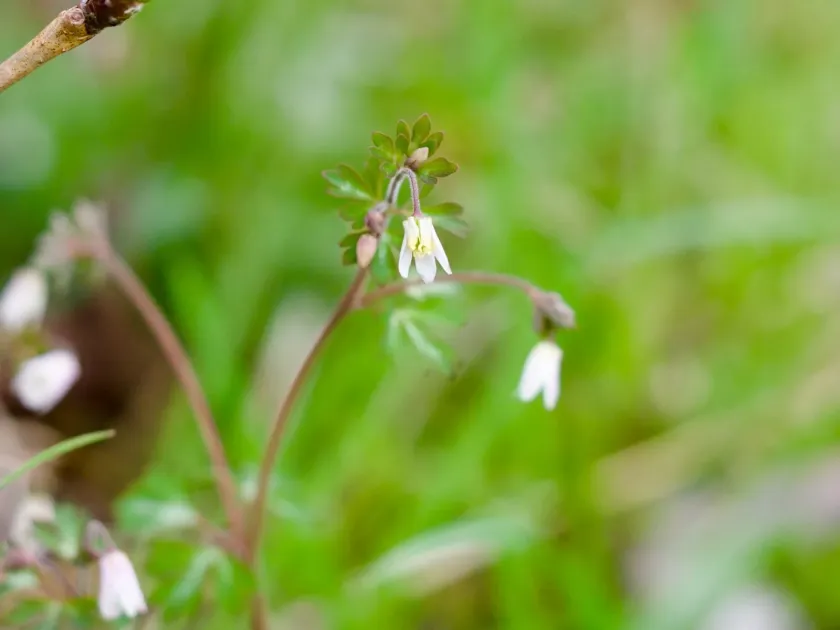
Description
Sowing dates
Semiaquilegia adoxoides is a member of the Ranunculaceae family, widely known for its delicate features and medicinal potential. This perennial herb is native to East Asia, primarily inhabiting temperate woodland margins.
The propagation of this crop is typically achieved through seeds, which require a period of cold stratification to break dormancy. Sowing should be carried out in late autumn to simulate natural conditions.
Vegetative propagation via rhizome division is another common method used to multiply the stock. It is best performed during the plant's dormant season to minimize transplant shock and ensure high survival rates.
Preparing the seedbed involves creating a loose, well-draining soil structure. Incorporating organic compost helps provide the necessary nutrients for initial growth during the first season.
Proper spacing is crucial to prevent overcrowding, which can lead to poor air circulation and increased vulnerability to disease within the crop canopy.
Growing requirements
The plant thrives in partial shade, mimicking its natural habitat beneath the forest canopy. Excessive direct sunlight can scorch the foliage and hinder the overall vigor of the plant.
Soil quality should be moist, rich in humus, and neutral to slightly acidic in reaction. Consistent moisture management is essential, as the plant does not tolerate prolonged drought conditions well.
Climatic requirements involve moderate temperatures, avoiding extreme heat or severe frost without protective cover. In colder regions, mulching is recommended to insulate the roots during the winter.
The species benefits from a stable environment with minimal disturbance. Fertilizer application should be moderate, focusing on balanced organic inputs to support healthy foliage and root system development.
Management of the growing site should prioritize weed control, as Semiaquilegia adoxoides is sensitive to competition from aggressive weeds that can outcompete it for nutrients and space.
Main diseases and pests
The most significant threats to Semiaquilegia adoxoides include fungal pathogens such as root rot and leaf spots, which often manifest in poorly drained or overly humid environments.
Pests such as slugs, snails, and various aphids can cause significant damage to young shoots and leaves. Monitoring for these pests is essential throughout the active growing season.
Integrated Pest Management (IPM) practices are highly recommended, involving the use of physical barriers for snails and beneficial insects for aphid population control.
Removing infected plant debris at the end of the season is a critical sanitation practice. This reduces the primary inoculum for fungal diseases in the following year.
If chemical interventions become necessary, they should be applied with precision to minimize the impact on the local ecosystem and strictly adhering to safety intervals for harvest.