
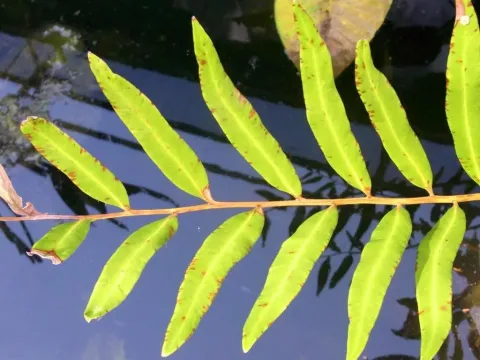
Acrostichum
Acrostichum
Acrostichum is a genus of large ferns belonging to the Pteridaceae family. These plants are uniquely adapted to survival in saline or brackish environments, commonly found in mangrove forests throughout the tropical and subtropical regions of the world.
What the section contains


Acrostichum
The genus is characterized by its robust, leathery fronds that can reach several meters in height. Unlike many other ferns, Acrostichum species have evolved to thrive in soils that are frequently saturated and sometimes saline, demonstrating impressive biological resilience.
Growth requirements include a high-humidity environment and consistent soil moisture. In an agricultural or horticultural setting, the substrate must mimic a boggy, nutrient-rich environment while ensuring that the root system has access to sufficient aeration to prevent rotting.
Botanically, these plants are known for their fertile fronds, where the spore-bearing tissues cover the entire lower surface of the leaf sections. This reproductive strategy allows them to colonize vast muddy areas where other plant species struggle to establish themselves.
Economic and utility applications are diverse, ranging from botanical research into salt-tolerant plants to local traditional uses. In some coastal communities, the sturdy fronds have been used as thatch for roofing, showcasing the plant's durability and structural integrity.
Fungal pathogens represent the most significant threat to Acrostichum when cultivated in greenhouse conditions. Poor airflow and stagnant water can lead to rapid spread of rot among the dense rhizomes and lower fronds.
Scale insects and spider mites are the primary pests affecting these ferns. They often thrive in indoor environments where the air is warmer and less humid than the plant's natural mangrove habitat, leading to severe leaf damage.
Chlorosis due to improper pH levels or excessive fertilization is another common issue. Since these plants naturally grow in specific soil conditions, drastic changes in soil chemistry can inhibit nutrient uptake and cause premature foliage browning.
Environmental stressors, particularly water pollution and changes in salinity levels, can negatively impact plant health. As the genus is highly specialized, any significant disruption in the hydrological balance of its environment quickly results in decline.
Effective management involves consistent monitoring of humidity levels and regular cleaning of the fronds. Integrated pest management (IPM) practices, emphasizing biological controls, are highly recommended to keep these plants healthy without chemical overuse.