
Monochoria vaginalis
Pontederia plantaginea
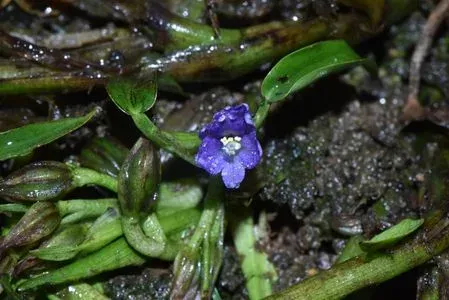
Description
Sowing dates
Monochoria vaginalis, belonging to the family Pontederiaceae, is a perennial aquatic herb known for its rapid growth in waterlogged environments.
The reproduction cycle starts with seeds that remain dormant in the soil until the conditions, specifically flooding, are met for germination.
In field conditions, the emergence of seedlings is closely tied to the inundation periods of agricultural lands, particularly rice paddies.
Optimal germination occurs at temperatures between 20°C and 30°C, provided there is enough moisture to fully submerge the seeds.
Strategic timing of water management is essential to either encourage the plant's growth or, conversely, to inhibit its development as a weed.
Growing requirements
The plant strictly requires an aquatic environment to thrive, typically growing in shallow waters ranging from 5 to 25 centimeters in depth.
Soil quality is vital; the plant prefers soft, nutrient-rich alluvial soils or silt deposits common in tropical river basins and wetlands.
High levels of solar radiation are necessary for the plant to achieve its maximum biomass, making it a sun-loving species.
Maintaining a stable water level is crucial, as the plant lacks mechanisms to survive prolonged periods of desiccation or soil drought.
The cultivation environment should ideally provide good aeration for the roots while keeping the base of the plant constantly saturated.
Main diseases and pests
Monochoria vaginalis is frequently identified as a significant weed in rice farming, where it competes aggressively for nitrogen and light.
Fungal diseases, manifesting as leaf spot and stem rot, often occur if the water becomes stagnant or overly contaminated with organic decay.
Pest damage is commonly caused by aquatic snails and leaf-eating beetles that can significantly reduce the photosynthetic surface of the plant.
Integrated pest management, including chemical control and physical removal, is often required to maintain the productivity of neighboring crops.
Biosecurity measures and water filtration help prevent the spread of the plant to non-infested areas where it could become an invasive threat.