
Pickerelweed
Pontederia elata
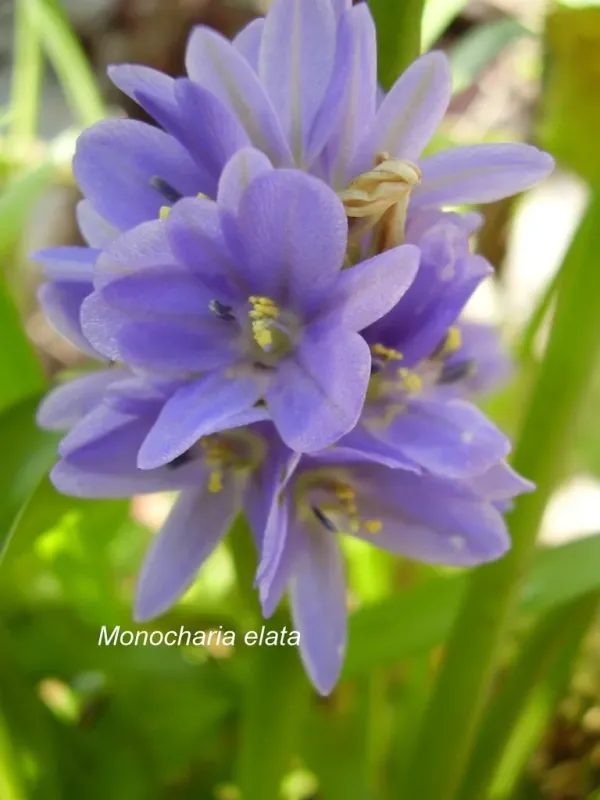
Description
Sowing dates
Propagation of pickerelweed is primarily achieved through rhizome division during the early spring season. This period allows the plant to establish its root system effectively before the onset of the hottest summer temperatures.
Seeds can also be used for reproduction, although they require a specific stratification process. Sowing should occur in moist, nutrient-rich substrate immediately after the seeds have matured and been harvested.
When planting in a pond, rhizomes should be anchored firmly in a container or directly into the substrate at a depth of 10 to 20 centimeters. Secure placement is vital to prevent the rhizome from floating or being disturbed by aquatic fauna.
Maintain a planting distance of approximately 40 centimeters between individual clumps. This spacing ensures that each plant receives adequate light and nutrients as it expands during the growing season.
Post-planting care involves monitoring water levels to ensure the crowns remain submerged. Providing a stable environment during the first few weeks is crucial for the successful rooting of the plant.
Growing requirements
Pickerelweed (Pontederia elata) is a member of the Pontederiaceae family, known for its elegant foliage and spikes of blue flowers. It is native to the Americas and thrives in shallow, slow-moving water.
This species requires full sun exposure to flourish and maintain its structural integrity. While it can survive in partial shade, optimal flowering and vigorous growth are only achieved with direct sunlight.
The soil substrate for container cultivation must be heavy, consisting of loam or clay-based mixtures. Avoid light, potting-style composts as they lack the necessary weight and nutrient retention for aquatic species.
Water quality is significant for this plant; it prefers clean, well-oxygenated environments. While it is somewhat adaptable to various water conditions, it avoids highly acidic or saline habitats.
As a warm-season plant, it requires protection during winter. In colder climates, containers should be moved to frost-free areas or submerged deeper in the water column below the level of ice formation.
Main diseases and pests
Aphids are the most common pests, often congregating on the tender flower spikes. Regular inspection and gentle rinsing with water are usually sufficient to manage minor infestations without chemicals.
Rotting issues may occur if the substrate becomes overly compacted or if dead organic material is allowed to accumulate around the base of the plant. Maintaining water circulation helps mitigate these problems.
Snails and other aquatic mollusks can feed on the leaves, creating visible damage. Monitoring the population of these creatures in your pond helps preserve the aesthetic quality of the foliage.
Chlorosis, or yellowing of the leaves, typically indicates a deficiency in essential nutrients within the soil. Supplementing with aquatic plant fertilizer tablets during the active growing phase effectively resolves this.
Overall, maintaining a balanced pond ecosystem significantly reduces the susceptibility of the plant to diseases, ensuring a vibrant and healthy appearance throughout the summer months.
Harvesting
The primary use for Pickerelweed is ornamental landscaping for ponds and natural water features. Harvesting in an agricultural sense refers to the management and maintenance of the plant throughout the year.
Pruning is performed in late autumn after the foliage has begun to fade. Removing dead growth prevents excessive decomposition in the pond, which protects the water quality for fish and other inhabitants.
When plants become overcrowded, they should be lifted and divided to rejuvenate the clump. This process is essential for maintaining the vigor of the plant and provides opportunities for further propagation.
Seed collection is carried out as the flower spikes turn brown, indicating full maturity. The seeds must be kept in a cool, damp-proof environment until the next sowing season arrives.
Handling the plant requires care to avoid damaging the brittle rhizomes. Proper maintenance techniques ensure the long-term success of this species within your water garden collection.