
Ruprechtia laxiflora
Ruprechtia laxiflora
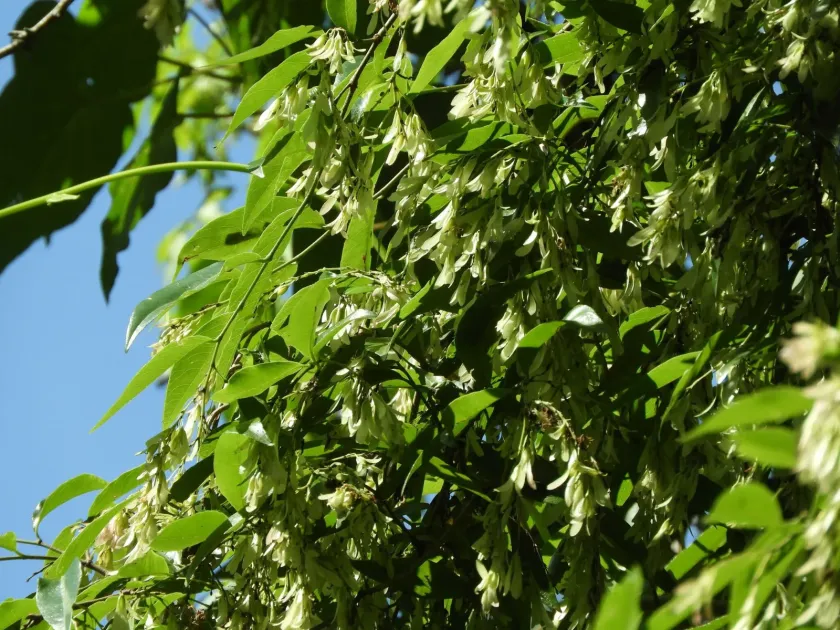
Description
Growing requirements
Ruprechtia laxiflora is a species belonging to the Polygonaceae family, primarily recognized for its distinctive growth pattern and ornamental value. It typically grows as a small tree or large shrub, showing high adaptability in native tropical ecosystems.
The origin of this culture is rooted in South America, where it thrives in diverse environments ranging from forest margins to open woodlands. The plant prefers stable, warm temperatures and does not tolerate frost, limiting its cultivation to subtropical and tropical latitudes.
Soil requirements for this species are centered on good drainage. While it can tolerate various soil types, loamy or well-drained sandy substrates promote healthier root development and prevent physiological disorders related to waterlogging.
Regarding light requirements, the plant prefers full sun exposure to maintain its characteristic lax flowering and structural integrity. Shade can lead to poor vegetative development and reduced density of the canopy over time.
Agricultural use of Ruprechtia laxiflora is diverse, primarily focusing on agroforestry systems, soil stabilization, and ornamental planting. Its wood is occasionally used in regional woodworking, reflecting its traditional importance in local economies.
Main diseases and pests
Common plant diseases include leaf spot infections, which often occur during high-humidity seasons. Maintaining proper tree spacing is the most effective cultural practice to reduce the impact of these fungal pathogens.
Pests such as aphids and whiteflies may attack new shoots and foliage. Regular scouting and the application of suitable horticultural oils can manage these populations before they reach economic damage thresholds.
Root rot is a major threat if the plant is grown in compacted or poorly draining soils. Ensuring adequate soil aeration and avoiding excessive irrigation are critical for the longevity and health of the tree.
Minor bacterial infections can occasionally affect the branches, leading to cankers or necrosis. Removing infected parts and maintaining overall plant vigor through proper nutrition significantly reduces susceptibility.
Herbivory during the early stages of growth is a notable risk, especially in open fields. Providing protective shelters for young saplings helps to ensure their survival during the establishment phase of the plantation.