
Gymnopodium floribundum
Gymnopodium floribundum
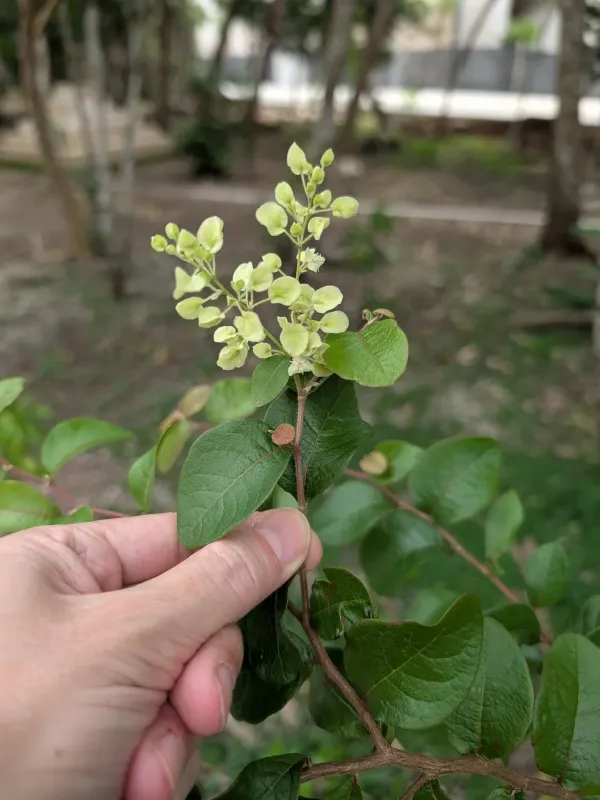
Description
Sowing dates
Gymnopodium floribundum, a member of the Polygonaceae family, is typically propagated via seeds in its native tropical range of the Yucatan Peninsula.
The sowing process is synchronized with the onset of the rainy season to ensure the necessary soil moisture levels for successful germination.
In nursery settings, seeds are sown into light, well-draining potting mixes, maintaining a depth of approximately 1 to 2 centimeters for optimal establishment.
A consistent ambient temperature between 25°C and 28°C is crucial during the early stages of development to achieve a high germination percentage.
Seedlings are maintained in sheltered areas, protected from extreme direct sunlight until they develop a robust root system and multiple sets of true leaves.
Growing requirements
This species is highly heliophilous, requiring full sun exposure to reach its maximum physiological potential and maintain vigorous growth rates.
The plant thrives in calcareous, well-drained soils, showing a preference for slightly alkaline environments typical of its native limestone regions.
Water management is critical; while it tolerates occasional dry spells, the root system is highly susceptible to rot under conditions of prolonged waterlogging.
Being a tropical species, it requires a stable, warm climate throughout the year and is incapable of surviving frost or extended periods of cold stress.
Regular maintenance of the root zone, including the removal of competing weeds and soil aeration, is essential for sustaining the long-term health of the trees.
Yield
The primary agricultural significance of Gymnopodium floribundum lies in its exceptional nectar production, making it a cornerstone for local beekeeping.
The honey produced from this plant is highly prized for its unique flavor profile and nutritional benefits, serving as a significant income source for local farmers.
Beyond apiculture, the plant's timber is utilized for the production of small wooden artifacts, tool handles, and other light-duty woodworking purposes.
Yield efficiency is directly correlated with tree maturity and the optimization of ecological conditions in the plantation, such as nutrient availability.
Environmental benefits include its role in soil stabilization and as a botanical component that supports the local ecosystem's floral diversity.
Main diseases and pests
The primary threats include fungal pathogens that exploit high humidity and stagnant air to infect roots and stems, leading to severe decay.
Insect pests, particularly aphids and scale insects, frequently target new terminal growth, causing chlorosis and reducing the plant's photosynthetic capacity.
Invasive weeds can significantly impede the development of young trees, necessitating consistent monitoring and manual or mechanical control measures.
Structural damage from mechanical sources or wildlife can predispose the plant to infections, emphasizing the need for protective measures during early growth.
Integrated pest management strategies are recommended, focusing on early detection and the use of eco-friendly, biological control agents to maintain health.