

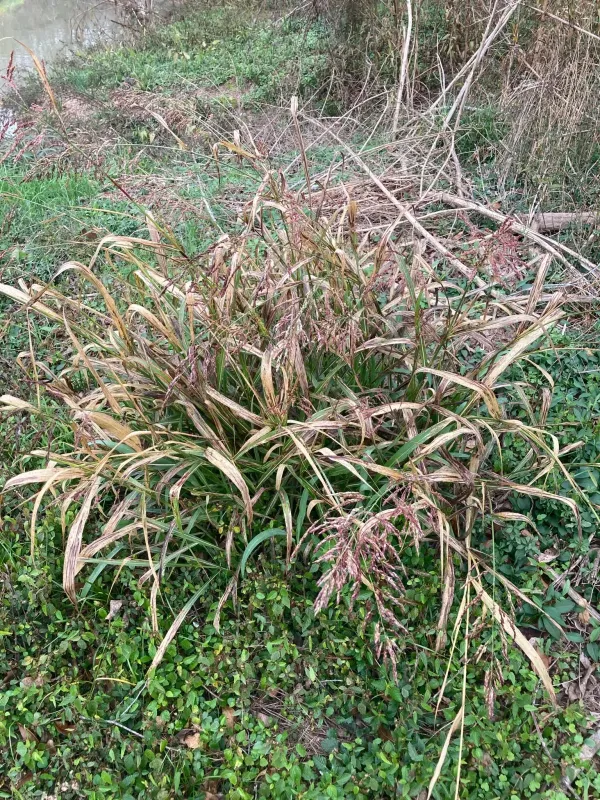
Description
Sowing dates
Johnsongrass, scientifically known as Sorghum halepense, is a perennial grass native to the Mediterranean region but widely distributed globally. It is recognized for its aggressive rhizomatous growth and high biomass potential.
Planting is typically carried out when soil temperatures consistently reach +15 °C or higher. Although often managed as a weed, when cultivated for fodder, standard seed drills are used at a depth of 2–3 cm to ensure optimal germination.
The plant possesses a complex network of underground rhizomes that act as food storage and propagation organs. This structural feature allows the plant to survive adverse conditions and regrow vigorously each spring.
Adaptability is a key trait of this species. It thrives in various soil textures, from light sandy soils to heavy clays, provided there is adequate moisture and nutrient availability to support its rapid growth cycles.
Seed production is prolific, with a single plant capable of producing thousands of seeds. These seeds can remain dormant in the soil for years, necessitating a long-term strategy for population control if the field is rotated to other crops.
Growing requirements
As a warm-season grass, Johnsongrass prefers temperatures between +25 °C and +35 °C. It is highly sensitive to frost, which kills the aerial parts, although the rhizomes can survive moderate winter temperatures in temperate climates.
High levels of solar radiation are required for maximum production. Plants grown in partial shade exhibit lower stem sugar content and reduced tiller formation, which directly impacts the quality of the harvested forage.
Water requirements are significant during the peak growth months of summer. While it is more drought-tolerant than many other forage grasses, supplemental irrigation during dry spells can double the biomass yield.
Fertilization management, particularly nitrogen application, is essential for maintaining high forage quality. However, excessive nitrogen can trigger the accumulation of nitrates, which poses a health risk to grazing livestock.
Proper field management involves rotational grazing or scheduled mowing to prevent the plants from becoming too woody. Keeping the plant in a vegetative state ensures the highest nutritional value for cattle and sheep.
Yield
The biomass yield of Johnsongrass is high under ideal conditions, with multiple cuts possible in a single season. Depending on climate and soil fertility, yields can range from 10 to 20 tonnes of dry matter per hectare.
The protein content is highest during the early vegetative stage. As the plant approaches flowering, nutrient digestibility drops, and fiber content increases, making it less suitable for high-production dairy herds.
Farmers must be aware of the risk of prussic acid (hydrocyanic acid) poisoning, especially after frost or drought events. Proper harvesting and ensiling processes help reduce the concentration of these toxic compounds.
Regrowth capacity is exceptional. After cutting, the grass recovers quickly, making it a reliable source of green fodder during the hottest months when cool-season grasses stop growing.
In intensive forage systems, soil fertility should be monitored. Because the plant is a prolific nutrient user, regular soil testing and balanced fertilization are required to sustain long-term yield potential.
Main diseases and pests
The crop is susceptible to several fungal diseases, including rust and various leaf blights. These diseases are most prevalent during periods of high humidity and can significantly decrease leaf surface area.
Pests such as the sorghum midge and aphids can cause substantial damage. Aphids, in particular, are problematic because they act as vectors for viruses, causing yellowing and stunted growth throughout the field.
Integrated Pest Management (IPM) is the recommended approach. This includes selecting resistant cultivars when available and maintaining field sanitation to reduce the overwintering population of pests.
The use of systemic fungicides may be required in severe infestations, but timing is crucial to ensure safety guidelines are followed before allowing livestock to return to the pasture.
- Sorghum rust
- Leaf blight
- Aphids
- Sorghum midge
Harvesting
Harvesting for hay or silage should occur before the plant reaches the boot stage to maximize crude protein levels. This timing is also critical to prevent the dissemination of mature seeds across the farm.
When ensiling, the material should be chopped finely to ensure good packing and anaerobic conditions in the silo. This process aids in the breakdown of toxic compounds and preserves the forage quality for winter use.
Mowing height should be maintained at approximately 10 cm. This promotes rapid regrowth from the rhizomes and ensures that the plant does not expend unnecessary energy on apical recovery after being cut.
Drying the cut material for hay requires multiple turnings in dry weather. Because the stems can be thick, achieving a uniform moisture content is essential to prevent heating and spoilage in storage.
Harvesting frequency should be adjusted based on weather conditions. In a favorable season, cutting every 4–6 weeks provides the best balance between total yield and nutritional quality.
Content graph
Connections · Johnsongrass
Most often together:
Marketplace
Products · 12

Dublon Gold
ЗАТ Фірма Август, Росія.,селище Вурнари,
Herbicides
2
2
·
5.4K
6 offers
117.01 €per 1 l
Buy

Agil 100
F.A.GAN Chemical Manufacturers Ltd. Israel, member
Herbicides
0
0
·
2.3K
8 offers
5.03 €per 1 l
Buy


Picador
ТОВ «Фабрика агрохімікатів», Черкаси, Україна
Herbicides
0
0
·
1.5K
8 offers
5.49 €per 1 l
Buy


Oreol Maxi, CE
Jiangsu Institute of Ecomones Co., Ltd.
Herbicides
0
0
·
54
18 offers
6.07 €per 1 l
Buy

