
Homolepis aturensis
Homolepis aturensis
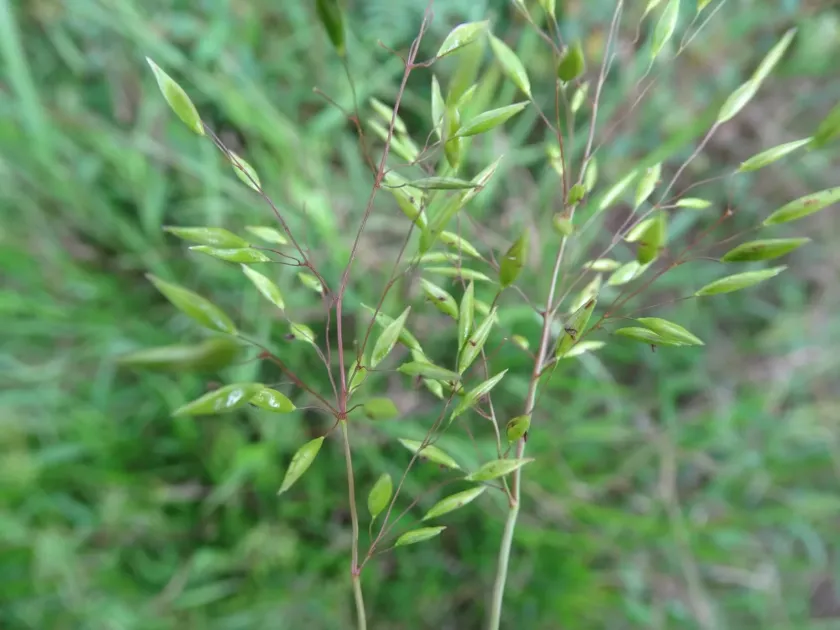
Description
Growing requirements
Homolepis aturensis is a perennial grass belonging to the Poaceae family. It is native to tropical regions, particularly in Central and South America, where it thrives in warm and humid environments, often colonizing open areas and forest margins.
The plant exhibits high adaptability to various soil types, ranging from clay-loams to sandy soils. However, it demonstrates a particular affinity for moisture-retentive soils and can successfully tolerate periods of waterlogging, making it ideal for low-lying pastures.
Temperature requirements are strictly tropical, necessitating consistent warmth for vegetative development. The species lacks cold tolerance, which limits its commercial cultivation to frost-free zones where it can provide year-round biomass production.
Agricultural management of this grass focuses on maximizing protein content by ensuring adequate nitrogen availability. Regular fertilization, combined with appropriate grazing intervals, helps in maintaining a succulent and highly palatable canopy for livestock.
Beyond its use as fodder, Homolepis aturensis is recognized for its soil-binding properties. The extensive root system helps reduce erosion in tropical regions characterized by high rainfall, contributing to sustainable land management practices.
Main diseases and pests
The primary threats to Homolepis aturensis include foliar fungal diseases. These pathogens proliferate in high humidity, often resulting in leaf blight or spots that decrease photosynthetic efficiency and biomass yield.
Insect pests, including various species of grasshoppers and sucking insects, pose a significant risk during the peak growing season. Large infestations can severely damage the foliage, leading to reduced palatability and lower forage value.
Compaction of the soil due to intensive livestock grazing can lead to poor drainage, which in turn encourages root rot. Proper rotation of pastures is essential to prevent such degradation and ensure the longevity of the perennial stand.
Invasive weed species can outcompete the grass if the stand is not managed properly. Regular monitoring and strategic mowing are recommended to ensure the dominance of the crop and prevent the encroachment of undesirable vegetation.
Implementing a balanced approach to pest management, including the use of resistant varieties and integrated biological controls, remains the most effective strategy for maintaining high-quality stands of this forage grass.