
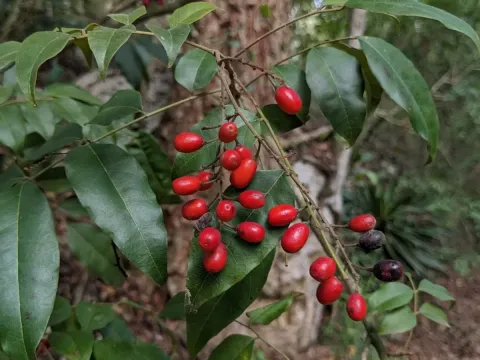
Picramnia
Picramnia
Picramnia is a genus of trees and shrubs belonging to the family Picramniaceae. These plants are native to the tropical regions of Central and South America, as well as the Caribbean islands.
What the section contains


Picramnia
They thrive in tropical climates where temperatures remain consistently high throughout the year. The plants are extremely sensitive to cold temperatures and cannot survive frost, making them suitable only for tropical or subtropical zones.
Soil requirements include well-drained, fertile substrates that are rich in organic matter. They generally prefer slightly acidic to neutral soil pH levels common in forest environments.
In terms of cultivation, these plants benefit from partial shade, mimicking their natural habitat in the understory of dense forests. Consistent moisture is crucial, but waterlogging should be strictly avoided to prevent root damage.
The primary economic use of certain Picramnia species, such as P. antidesma, involves the pharmaceutical industry. The bark, often referred to as Cascara Amarga, is harvested for its bitter compounds used in medicinal preparations.
Like many tropical species, Picramnia can be susceptible to various pests, including scale insects and mites that thrive in warm, humid conditions.
Fungal diseases related to excessive soil moisture and poor airflow can lead to root rot or leaf spots. Maintaining adequate spacing between trees is essential to promote good air circulation.
Monitoring for signs of infestation or infection should be done regularly, especially during the rainy season when humidity levels are at their peak.
Integrated pest management strategies are recommended, prioritizing biological controls over heavy chemical treatments to protect the quality of the bark.
Cleaning and sanitizing tools used for pruning are important steps to prevent the mechanical transmission of pathogens between individual trees in the grove.