
Picramnia pentandra
Picramnia pentandra
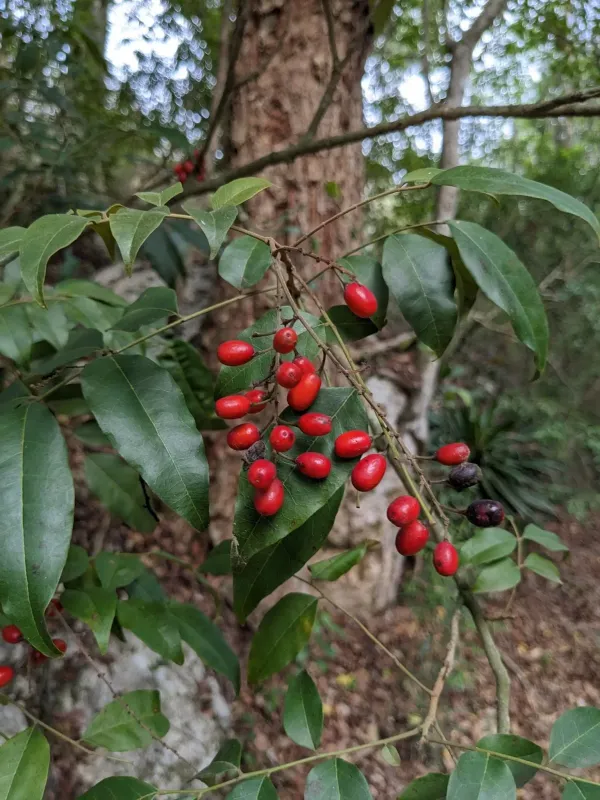
Description
Growing requirements
Picramnia pentandra is a distinctive shrub or small tree belonging to the Picramniaceae family. It is native to the tropical regions of the Caribbean and Central America, where it thrives in humid forest habitats.
The plant requires well-draining soil and a stable tropical climate to thrive. It is typically found in shaded or semi-shaded areas, making it an excellent candidate for understory conditions in tropical gardens.
Botanically, it is recognized by its evergreen foliage and racemes of small flowers. The plant's morphology is adapted to manage water efficiently while maintaining a balance between growth and survival in dense tropical environments.
Agrotechnical management involves regular moisture control. It is essential to ensure that the soil does not become waterlogged, as this is one of the primary causes of developmental issues in this species.
The economic potential of Picramnia pentandra lies in its pharmacological properties. Research has been conducted on the secondary metabolites present in the plant, highlighting its traditional use in various indigenous health practices.
Main diseases and pests
Fungal infections are the most significant threat to the health of the plant, especially in areas with poor drainage. Pathogens can quickly compromise the root system, leading to rapid decline if left untreated.
Pest pressures often include sap-sucking insects that target the soft tissues of the leaves and stems. Frequent monitoring is necessary to prevent these pests from spreading and causing structural damage.
The use of integrated pest management (IPM) is highly recommended for cultivating this species. Biological controls are preferred to maintain the chemical integrity of the plant, especially if it is being grown for medicinal purposes.
Pruning is a vital practice to ensure airflow through the canopy, which helps in preventing fungal outbreaks. Removing dead or diseased branches is a standard protocol to keep the specimen healthy.
Overall environmental stability is required to prevent physiological stress. Extreme weather events or drastic shifts in humidity can weaken the plant, making it more susceptible to localized disease outbreaks.