
Small-leaved picramnia
Picramnia parvifolia
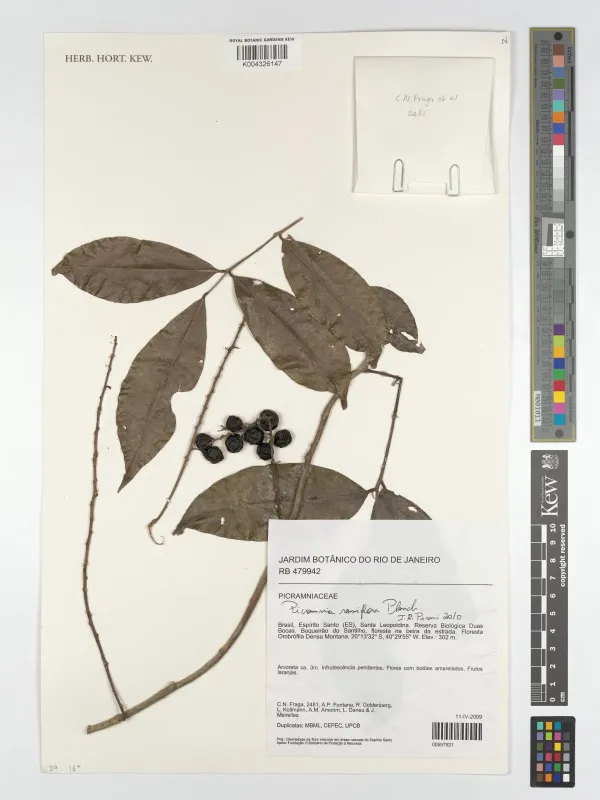
Description
Growing requirements
Small-leaved picramnia (Picramnia parvifolia) belongs to the Picramniaceae family. It is a woody shrub native to the tropical ecosystems of Central and South America, characterized by its adaptation to the humid understory environment.
The plant requires deep, well-draining soils rich in organic matter to thrive. It performs best in environments where temperatures remain stable between 20°C and 28°C throughout the growing cycle, as it lacks cold tolerance.
Regarding light requirements, Picramnia parvifolia is sensitive to direct, intense sunlight. In cultivation, it is often placed in areas with filtered light or artificial shading to prevent leaf scorching and ensure healthy development.
Soil moisture management is a critical aspect of its agrotechnology. While the plant requires consistent moisture, the root zone must not become waterlogged, as poor drainage is the primary cause of plant failure in non-native environments.
The economic value of this species lies in its secondary metabolites. It has traditionally been utilized for its bioactive compounds, which are studied for their potential applications in pharmaceutical and traditional medicine industries.
Main diseases and pests
Fungal infections are the most significant threat to this crop, particularly root rot caused by Phytophthora or Pythium species in poorly drained substrates. Maintaining good aeration is essential to prevent these diseases.
Pests such as scale insects and aphids often target the younger, more succulent parts of the plant. These pests suck the sap, leading to stunted growth and the accumulation of sooty mold on the foliage surface.
Leaf-chewing insects can significantly reduce the photosynthetic area of the shrub. In tropical climates, integrated pest management (IPM) is necessary to keep these populations under control without damaging the plant's health.
Standard sanitary protocols, including the removal of dead leaves and pruning of diseased branches, are vital to preventing the spread of pathogens within a nursery or small-scale plantation setting.
The use of preventive biological controls, such as beneficial fungi or predatory mites, is recommended to manage pest pressure while maintaining the ecological balance required by the plant.