
Antidesma platyphyllum
Antidesma platyphyllum H. Mann
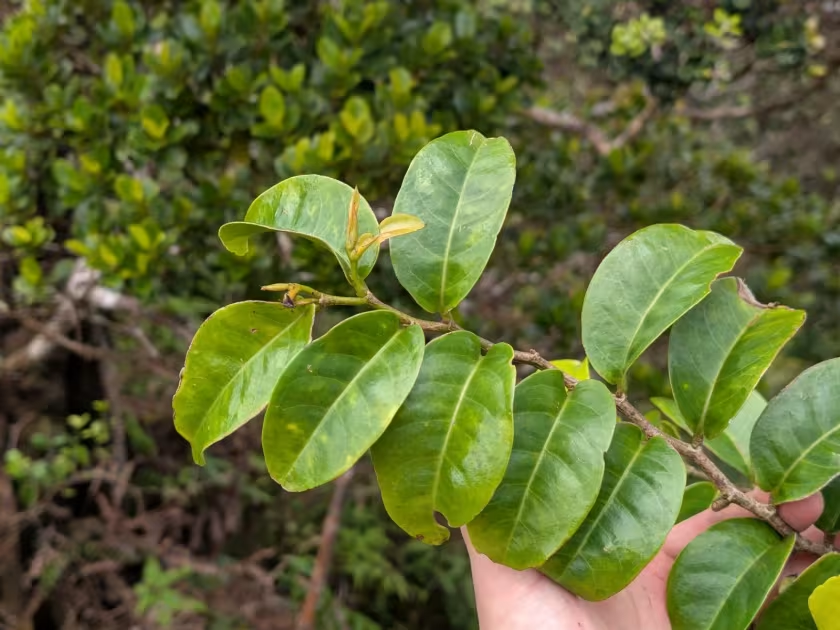
Description
Growing requirements
Antidesma platyphyllum belongs to the Phyllanthaceae family and is an evergreen tree or large shrub native to the Hawaiian Islands. It naturally inhabits a range of environments, from lowland areas to wet montane forests, demonstrating strong ecological adaptability.
The cultivation of this species requires fertile, well-drained soils rich in organic matter. While it thrives in various light conditions, from deep shade to semi-exposed positions, optimal growth is typically achieved when the plant is protected from intense, direct mid-day sun and strong winds.
Regarding climate, the plant is strictly adapted to tropical conditions and must be protected from any frost or freezing temperatures. It performs best in areas with high ambient humidity and consistent rainfall, which are crucial for maintaining vigor during the flowering and fruiting stages.
Botanically, the plant is recognized by its broad leaves and small, fleshy drupes that transition from bright red to dark purple as they ripen. These fruits are edible and represent a cultural and historical food source, often used locally for jams, jellies, or raw consumption.
Beyond its culinary value, the wood of Antidesma platyphyllum has traditionally been utilized for its density and durability. From an agronomic perspective, the species is valued in conservation and reforestation efforts due to its ability to stabilize soil and provide habitat for local birds and insects.
Main diseases and pests
Fungal diseases are among the primary threats, particularly in high-humidity zones where air circulation is restricted. Pruning practices are essential to open up the canopy, thereby reducing the incidence of foliage spots and secondary pathogens that flourish in stagnant air.
Pest pressure from scale insects and mealybugs can pose risks to young nursery stock or trees experiencing stress. Effective management involves regular scouting and the use of integrated pest management strategies to keep populations below economic damage thresholds.
Root rot, often caused by waterlogging or pathogens like Phytophthora, remains a significant danger. Selecting sites with excellent drainage capacity is critical, as the plant does not tolerate waterlogged soil, which restricts oxygen access to the roots and leads to rapid decline.
Invasive species competition can severely impact the establishment phase of young trees in open fields. Providing a clean, mulched environment around the base of the plant is recommended to reduce competition for nutrients and water during the first few years of growth.
Climate change and habitat fragmentation represent long-term threats to the wild populations of this species. Agricultural focus on sustainable propagation and careful site selection is vital to ensure the continued survival and productivity of this unique plant in its native range.