
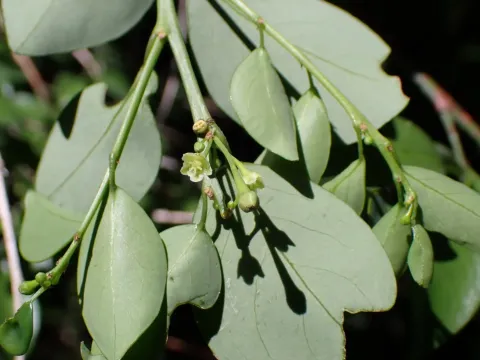
Clutia
Clutia
Clutia is a genus of shrubs and perennial herbs belonging to the Euphorbiaceae family. Originating primarily from Africa, these plants are known for their diverse adaptation to various environmental conditions within tropical and subtropical zones.
What the section contains


Clutia
Cultivation requires well-draining soil with a neutral to slightly acidic pH. The plants perform best in environments where the root zone is protected from waterlogging, which is often achieved by incorporating sand or gravel into the planting medium.
Botanically, Clutia species are characterized by alternate leaves and small, often inconspicuous flowers. Their growth habit varies from small shrubs to larger, woody plants, making them versatile for different gardening applications.
Temperature management is crucial, as Clutia is generally sensitive to frost. In temperate climates, they must be moved indoors or kept in climate-controlled greenhouses during winter to ensure survival and health.
The ornamental value of the plant lies in its clean, structural form and resilience. It is frequently used in mixed plantings, rockeries, or as an interior ornamental plant in spaces that receive adequate sunlight.
Spider mites are the most common pests encountered when growing Clutia indoors. These tiny pests thrive in dry environments and can cause significant damage to the foliage if left uncontrolled for an extended period.
Root rot is a major threat caused by overwatering or poor soil drainage. If the soil remains saturated for too long, oxygen cannot reach the roots, leading to the rapid decay of the entire plant structure.
Mealybugs may occasionally infest the plant, hiding in the leaf axils. Regular inspection and the use of insecticidal soaps or systemic treatments can help manage and eradicate these populations effectively.
Fungal issues, such as powdery mildew, may occur if airflow is insufficient. Proper spacing between plants and maintaining good ventilation are essential preventive measures to ensure the foliage remains healthy and disease-free.
To keep the plant thriving, pruning should be conducted periodically to remove dead wood and encourage denser growth. This also allows for better air circulation throughout the canopy, further reducing disease risk.