
Clutia alaternoides
Clutia alaternoides
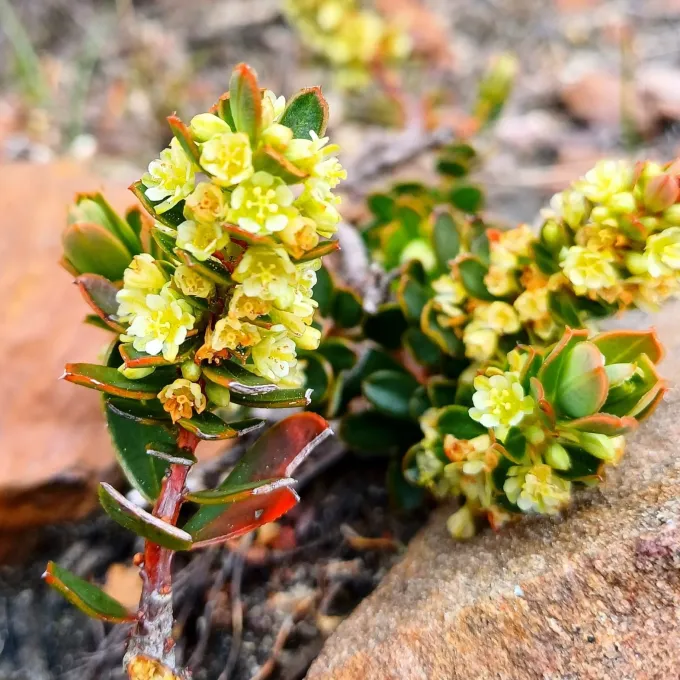
Description
Sowing dates
Sowing of Clutia alaternoides is typically performed in controlled greenhouse environments to ensure consistent germination rates.
The optimal sowing window is early spring, which allows the seedlings to establish a strong root system before the peak summer heat.
A well-draining, lightweight medium is crucial for the seeds, as this prevents waterlogging and encourages early root development.
Seeds should be lightly covered with a fine layer of sand or vermiculite, ensuring they remain moist but not saturated during the sprouting phase.
Pricking out should be handled with care once the first pair of true leaves appears, moving the plants into individual pots with high-quality compost.
Growing requirements
Clutia alaternoides belongs to the Euphorbiaceae family and originates from the diverse botanical regions of South Africa.
The plant thrives in well-aerated, sandy soil compositions that provide excellent drainage, mimicking its natural habitat conditions.
Environmental conditions require abundant sunlight, as the plant is adapted to bright, open locations with minimal canopy interference.
Temperature management is key, as the plant is not frost-tolerant and requires protection from temperatures dropping below 10 degrees Celsius.
Regular but moderate watering is necessary, allowing the soil to dry out slightly between waterings to maintain healthy root health.
Harvesting
Harvesting for this species primarily involves collecting viable seeds for subsequent propagation cycles during the ripening season.
The capsules should be harvested when they turn brown and brittle, signaling that the seeds inside are fully mature and ready for collection.
After collection, seeds must be dried in a cool, ventilated area away from direct sunlight to preserve their viability for long-term storage.
Maintenance of the plant involves light pruning to manage its architectural structure and encourage dense, healthy foliage growth.
Regular removal of faded flower clusters or damaged branches helps redirect the plant's energy towards vegetative production and new growth.