
Clutia abyssinica
Clutia abyssinica
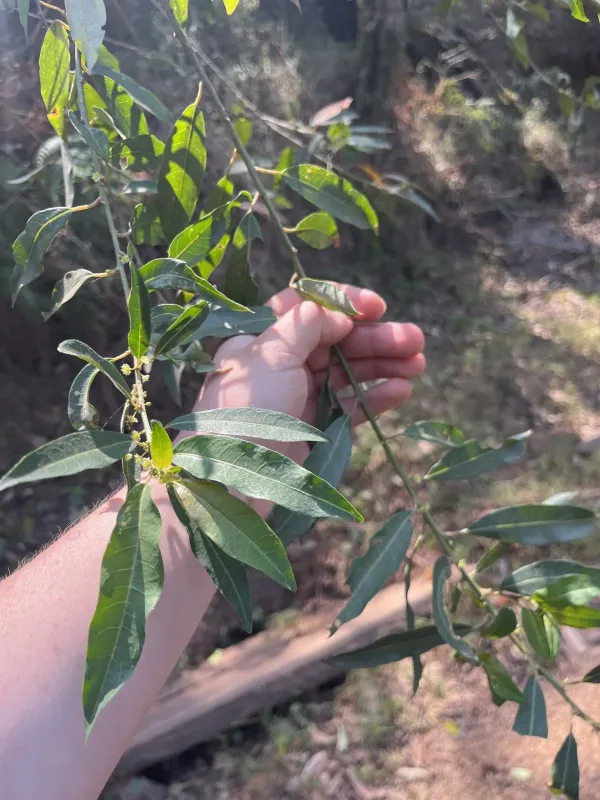
Description
Growing requirements
Clutia abyssinica is a prominent member of the Euphorbiaceae family, widely distributed across the tropical and subtropical regions of Africa. It typically grows as a dense, evergreen shrub, though under favorable conditions, it can develop into a small, slender tree.
The plant thrives in mountainous habitats, ranging from high-altitude forests to open savanna woodlands. It is particularly known for its adaptability to various soil types, provided they are well-drained and retain a baseline level of organic moisture.
Regarding climatic preferences, this species requires a stable temperature range and is sensitive to heavy frost. Exposure to full sun is tolerable, but it performs best in dappled shade where the intensity of UV light is tempered, preventing excessive transpiration.
Agricultural management of the species involves ensuring adequate soil structure, which prevents the compaction of the root zone. Regular mulching is recommended to maintain soil temperature and moisture levels, mimicking the forest floor environment of its origin.
Beyond its ecological value, Clutia abyssinica has historical significance in indigenous medicinal practices. Various extracts from the leaves and roots are utilized in traditional preparations to address respiratory issues and skin ailments.
Main diseases and pests
Pest management for Clutia abyssinica focuses primarily on controlling sap-sucking insects like mealybugs and spider mites. These pests tend to congregate on young foliage during dry spells, requiring immediate intervention to prevent defoliation.
Fungal pathogens are a major threat, particularly in greenhouses or poorly ventilated spaces. Powdery mildew can spread rapidly if humidity levels fluctuate significantly, necessitating the use of fungicides or improved air circulation systems.
Root system health is paramount; therefore, overwatering must be strictly avoided. Waterlogged conditions create a perfect breeding ground for soil-borne pathogens, leading to sudden wilting and collar rot in otherwise healthy plants.
Integrated Pest Management (IPM) strategies, such as the introduction of beneficial predatory mites, are highly effective. These biological agents control population spikes without the need for harsh chemical inputs that could disrupt the plant's delicate foliage.
Preventive maintenance includes the regular removal of dead or crossing branches to improve the overall vigor of the shrub. Pruning should be performed with sanitized tools to minimize the risk of transmitting viral or fungal infections between specimens.