
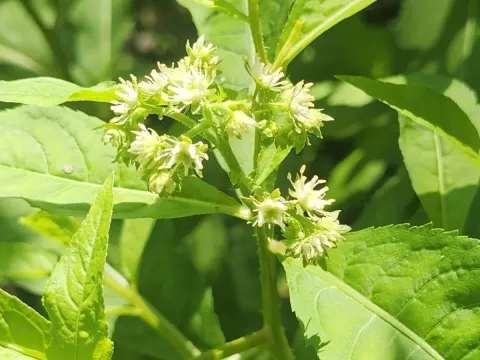
Penthorum
Penthorum
Penthorum, specifically the Penthorum sedoides species, is a perennial herbaceous plant, meaning propagation is typically handled via seeds sown during the spring when the soil warms up.
What the section contains


Penthorum
The ideal window for sowing in open ground is May, though starting seeds in greenhouses or containers during March or April is common to produce more robust seedlings.
The seeds are exceptionally small, requiring them to be surface-sown on the substrate rather than buried; maintaining high humidity is crucial until germination occurs.
Once the seedlings have developed two to three true leaves, they should be pricked out into individual pots or nursery beds to continue their development.
Transplanting hardened seedlings to their permanent location should be delayed until the risk of late frosts has passed and the weather has stabilized.
Belonging to the Penthoraceae family, this crop is naturally adapted to moist environments such as riverbanks, pond edges, and marshy meadows.
Penthorum demands a high level of substrate moisture; it is highly intolerant of drought, requiring consistent hydration throughout the growing season.
While the plant is relatively adaptable to various soil types, it thrives best in fertile, loamy soils that are rich in organic matter and have a neutral pH level.
The plant is heliophilic (sun-loving), but in regions with extreme heat, it benefits from light afternoon shade to prevent leaf scorching and excessive transpiration.
Native to North America, Penthorum shows good resilience against temperature fluctuations, though it achieves its peak growth potential in temperate climatic zones.
Penthorum is generally considered a resilient crop, but poor agricultural practices, especially overly dense planting, can lead to fungal infections.
The most common issues are root rots, which typically occur when water stagnation is combined with cold soil temperatures during the early stages of vegetation.
Pest pressure is primarily caused by leaf-chewing insects and slugs, which can cause significant damage to the succulent foliage of young plants.
Disease prevention is best managed by ensuring proper plant spacing, which facilitates adequate air circulation throughout the crop canopy.
If large-scale pest infestations occur, the use of biological control agents is recommended, especially given the plant's potential use in pharmaceutical applications.
The economic utilization of Penthorum is largely centered on its medicinal value, with harvesting taking place during the plant's peak flowering period.
The aerial parts (herb) are gathered in mid-summer by cutting the shoots at approximately 10–15 cm above the soil surface to ensure healthy regrowth.
The harvested plant material must be dried in well-ventilated, dark rooms or commercial dehydrators at temperatures not exceeding 40 degrees Celsius to preserve active compounds.
Storing the dried product should be done in airtight, dark glass containers or paper bags, kept in a cool area protected from direct moisture and sunlight.
Beyond pharmaceutical applications, decorative varieties are utilized in landscaping for wet garden zones, where harvest practices involve sanitation pruning of spent stems in the autumn.