
Ditch stonecrop
Penthorum sedoides
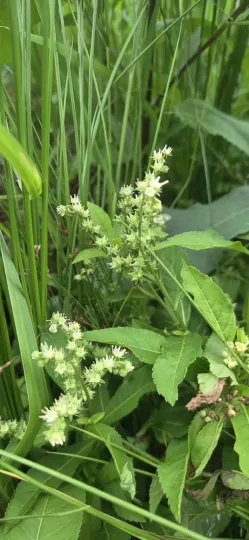
Description
Growing requirements
Ditch stonecrop (Penthorum sedoides) is a perennial herbaceous plant belonging to the Penthoraceae family, which is highly regarded for its adaptability to moist and wetland environments.
Native to North America, this plant is naturally found growing in marshes, along riverbanks, and in drainage ditches, which dictates its core agricultural and landscape requirements.
To cultivate this species successfully, it is essential to provide consistently moist or saturated soil, ideally rich in organic matter, to mimic its native habitat conditions.
The plant thrives in full sun exposure but is versatile enough to tolerate partial shade, making it a flexible choice for various garden settings, particularly near ponds.
Maintenance is relatively straightforward, as the plant does not demand extensive fertilization, provided that the soil moisture levels are maintained throughout the growing season.
Main diseases and pests
Ditch stonecrop is generally considered a robust species with a high level of natural resistance to the common pathogens that typically afflict landscape vegetation.
The primary concern during the growing cycle is prolonged drought, which can rapidly diminish plant vigor and lead to significant leaf senescence.
Minor pest issues, such as aphids, may occasionally affect new growth during particularly hot and dry periods, necessitating regular visual inspections of the foliage.
Fungal issues, including powdery mildew, can occur in poorly ventilated areas or locations where humidity is trapped, causing damage to the leaves.
Management strategies should focus on maintaining adequate space between plants to allow for proper airflow and removing any dead plant material to minimize pathogen accumulation.