
Chinese penthorum
Penthorum chinense
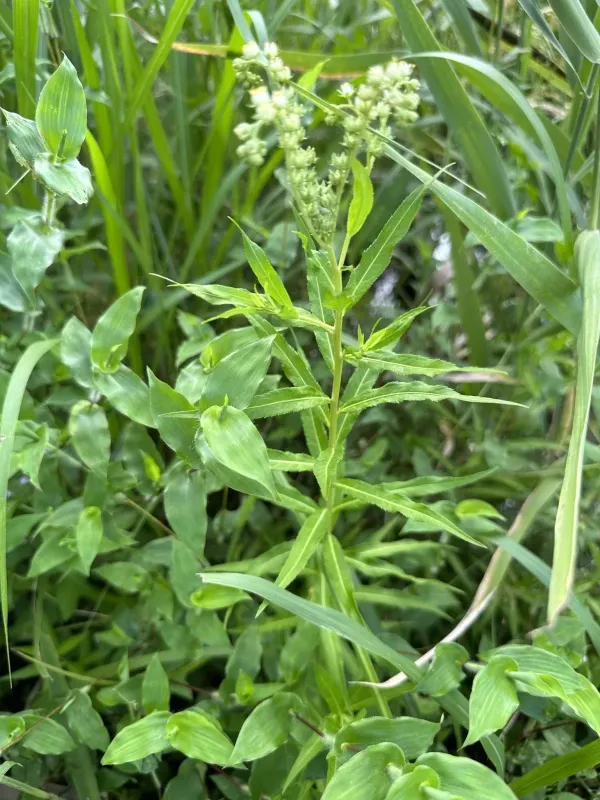
Description
Sowing dates
Chinese penthorum (Penthorum chinense) is a perennial herbaceous plant belonging to the Penthoraceae family. Its propagation is primarily achieved through seeds, which require specific conditions for optimal germination and establishment.
The sowing process should ideally take place in early spring, once the soil has warmed sufficiently. Seeds require light for germination, so surface sowing or very light covering is essential for successful seedling emergence.
If starting seeds indoors, sowing in trays during late winter allows for stronger plants before moving them to the field. This method ensures that the young plants can tolerate environmental fluctuations more effectively once transplanted.
Planting density is crucial for long-term health. A spacing of about 30–40 cm between plants is recommended to promote optimal airflow and prevent competition for nutrients and soil moisture.
Vegetative propagation via rhizome division is also a viable option for established plants. This method is often preferred for maintaining specific plant stocks and ensures faster growth compared to starting from seeds.
Growing requirements
The primary environmental requirement for Penthorum chinense is high moisture availability. Naturally thriving in wetland or riparian habitats, it demands consistently moist to waterlogged soil conditions to flourish.
Soil quality should ideally be rich in organic matter. While the plant is somewhat adaptable, it performs best in soils with a slightly acidic to neutral pH. Regular addition of compost or well-rotted organic matter helps maintain soil fertility.
Exposure to full sunlight is optimal for the growth of this crop. While it can tolerate partial shade, maximum sun exposure promotes more robust foliage growth, which is essential for yield and secondary metabolite production.
Temperature range for active growth is typically between 20°C and 25°C. The plant exhibits good cold tolerance, allowing it to survive winter in temperate regions if adequately mulched or protected.
Adequate water management is the cornerstone of its agronomy. Supplemental irrigation is mandatory if natural rainfall is insufficient, particularly during the peak summer growth phases.
Yield
The economic value of Chinese penthorum lies in the harvest of its aerial parts, used in traditional medicine for their specific phytochemical content. Harvesting should ideally occur at the onset of flowering.
Frequent harvesting throughout the growing season is possible under intensive management. Proper pruning stimulates the plant to produce new shoots, ensuring a steady supply of fresh biomass for processing.
After cutting, the biomass must be processed immediately to prevent degradation. Controlled drying at moderate temperatures is required to preserve the pharmacological integrity of the harvested material.
Seed production can be integrated into the harvesting strategy by setting aside specific sections of the field. This practice facilitates natural reseeding and reduces the cost of future cultivation cycles.
Optimizing the harvest timing involves monitoring the concentration of active components in the leaves. This ensures that the raw material meets the required quality standards for industry applications.
Main diseases and pests
Although Penthorum chinense is generally robust, it can be susceptible to various pests, including aphids and spider mites. These pests thrive in dry conditions and can cause damage if left unchecked.
Fungal diseases, such as leaf spots, are the most common threats in high-humidity or poorly ventilated environments. Maintaining proper spacing and removing debris helps minimize these risks significantly.
Root rot can occur if soil aeration is compromised. Ensuring that the soil structure is not excessively compacted is a fundamental protective measure to maintain healthy root systems throughout the season.
Weed control is critical during the establishment phase. Early intervention through mechanical weeding is necessary to prevent weeds from outcompeting the young, slower-growing Penthorum seedlings.
Biotic stressors should be managed using integrated pest management techniques, prioritizing biological controls over heavy chemical usage to preserve the quality of the medicinal plant material.