
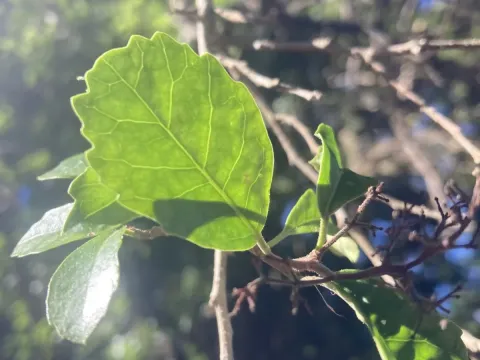
Pennantia
Pennantia
Pennantia is a genus of evergreen trees and shrubs belonging to the Pennantiaceae family. These plants are primarily native to New Zealand, Australia, and certain parts of the Pacific, where they grow in temperate to subtropical forest ecosystems.
What the section contains


Pennantia
The crop requires well-draining, nutrient-rich soils to thrive. It performs best in substrates that mimic forest floor conditions, characterized by high organic matter content and a neutral to slightly acidic pH level.
Temperature management is critical for the health of Pennantia. While some species show moderate cold tolerance, they generally prefer stable, frost-free environments. Extreme temperature fluctuations can lead to foliage drop and stunted development.
Regarding moisture, the plant demands consistent watering during the growing season. However, it is essential to ensure that the root system is not left standing in water, as this increases the susceptibility to root rot diseases.
Maintenance practices should involve regular pruning to manage the canopy structure and promote air circulation. Applying mulch around the base of the plant helps to maintain soil moisture and suppress weed competition during the establishment phase.
Pennantia is primarily cultivated for ornamental purposes, often used in public parks and botanical collections due to its distinct foliage and growth habit. Seed collection is done manually once the small, drupe-like fruits have matured.
Typical pests include scale insects and spider mites, particularly when grown in sheltered or greenhouse environments. Fungal infections, such as powdery mildew, may occur if humidity levels are high and foliage remains wet for extended periods.