
Pennantia corymbosa
Pennantia corymbosa
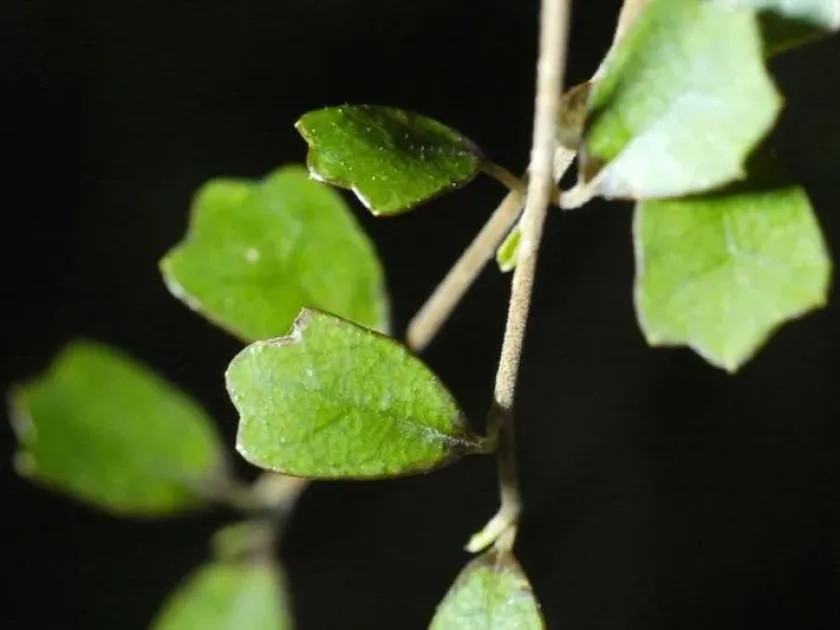
Description
Sowing dates
Propagation of Pennantia corymbosa, locally known as Kaikomako, is typically achieved through seeds or stem cuttings. Fresh seeds are collected in autumn and sown in a high-quality, free-draining medium.
Germination can be slow and sporadic, often mimicking natural conditions where seeds require a period of dormancy. Maintaining constant moisture is essential during the incubation period.
Semi-hardwood cuttings are a reliable way to ensure genetic consistency. These are taken during the active growth phase in late spring or early summer to maximize rooting success.
A misting system or a controlled humidity environment is crucial for cuttings to prevent desiccation. Auxin-based rooting hormones are recommended to accelerate the development of a robust root system.
Once established, the young saplings require a period of hardening off in a shaded nursery area before being planted in their permanent outdoor location.
Growing requirements
This species thrives in fertile, well-draining soils and is naturally found in forest margins or coastal areas. It shows a preference for soils rich in organic matter and nutrients.
Pennantia corymbosa is known for its wind tolerance, making it a valuable candidate for shelterbelts in mild maritime climates. It adapts well to various topographical conditions.
The tree requires a sunny position for optimal growth but benefits from partial shade during its initial establishment phase. It is not fully frost-hardy, requiring protection in areas with harsh winters.
Regular irrigation is necessary in regions prone to summer droughts. However, once mature, the plant develops a deeper root system that increases its resilience to minor water shortages.
Proper spacing is essential to encourage healthy canopy development. The tree can reach a significant height, so it should be placed where it has adequate room to spread its branches.
Main diseases and pests
Root rot caused by Phytophthora species is a major threat in waterlogged soils. Ensuring excellent drainage is the most effective preventative measure against this disease.
Scale insects are a frequent pest that can weaken the tree by feeding on phloem sap. These pests often go unnoticed until their populations reach levels that damage the foliage.
Sooty mold may develop as a secondary issue following infestations by sap-sucking insects like aphids. Controlling the primary pest population usually resolves the mold problem.
While the tree is generally hardy, leaf spot diseases can occur during prolonged periods of wet and cool weather. Fungicide applications are rarely necessary if the tree is kept healthy.
Monitoring the tree for signs of nutrient deficiency is also part of an integrated pest management strategy, as stressed plants are more susceptible to secondary infections.