
Pennantia cunninghamii
Pennantia cunninghamii
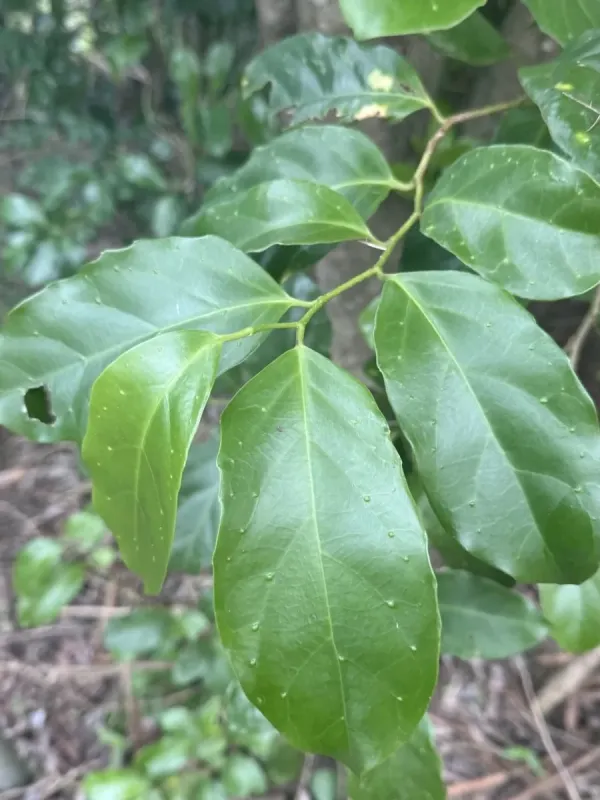
Description
Growing requirements
Pennantia cunninghamii, commonly known as the Brown Beech or Pennantia, belongs to the Pennantiaceae family. This evergreen tree species is native to the lush rainforests of eastern Australia, where it thrives as part of the understory and canopy layers.
The plant exhibits a slow to moderate growth rate and requires high-quality, humus-rich soil to establish itself properly. It thrives in locations where humidity levels remain constant, reflecting its natural habitat in warm, temperate to subtropical regions.
Botanically, it is recognized for its glossy, alternating leaves and panicles of small, creamy-white, fragrant flowers. The fruit is a drupe, which turns dark upon ripening and serves as a vital food source for avian species within its ecosystem.
Cultivation requires careful site selection, avoiding areas exposed to harsh, drying winds or extreme frost. A soil pH ranging from slightly acidic to neutral is ideal for promoting nutrient uptake and overall plant vigor throughout the developmental stages.
In terms of human use, Pennantia cunninghamii is primarily utilized for ornamental purposes in temperate landscape design. Its ability to tolerate low light conditions makes it a valuable asset for conservatory collections and shaded garden environments.
Main diseases and pests
Like many rainforest species, Pennantia cunninghamii is susceptible to root diseases if planted in poorly drained soil. Ensuring that the planting site offers a natural slope or supplemental drainage is critical for long-term health.
Pests such as scale insects may periodically affect foliage, particularly when the tree is stressed by environmental factors. Regular inspection of the underside of leaves and appropriate mechanical or biological management can mitigate these risks effectively.