
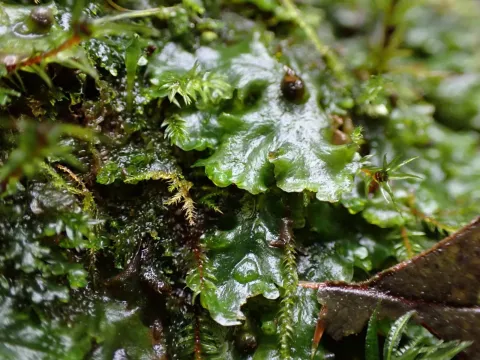
Pellia
Pellia
Pellia is a genus of thalloid liverworts belonging to the Pelliaceae family. These plants are characterized by a flat, branching thallus, lacking true roots, stems, or leaves, relying on rhizoids for attachment to moist substrates.
What the section contains


Pellia
The genus has a wide distribution across the Northern Hemisphere. Pellia species typically inhabit damp, shaded environments, such as stream banks, humid forests, and wet rocky crevices where moisture levels remain consistently high throughout the year.
To thrive, Pellia requires a stable, high-humidity environment and protection from direct sunlight. The plant is extremely sensitive to desiccation, making it a reliable indicator of consistently damp or riparian ecosystems.
In cultivation, specifically within aquariums or terrariums, Pellia requires clean, well-oxygenated water and moderate indirect light. It is often attached to driftwood or porous rocks, where it develops into dense, velvety mats that provide natural texture and hiding spots for microfauna.
The primary use of Pellia is in the ornamental sector, particularly in aquascaping and humid vivarium setups. Its ability to grow in low-light conditions makes it a versatile species for foreground or midground decoration in aquatic environments.
Fungal infections are a significant threat to Pellia, especially in stagnant or poorly ventilated environments. Excessive moisture without airflow facilitates the spread of pathogenic fungi that cause the thallus to decay.
Algal competition poses a constant risk to Pellia colonies in aquatic settings. Invasive species, such as hair algae, can rapidly overgrow the liverwort, blocking light and nutrient access, eventually causing the plant to perish.
Invertebrate pests, such as freshwater snails or small crustaceans, may graze upon the tender tissues of the thallus. While minor damage is often manageable, heavy infestations can result in the loss of significant portions of the plant population.
Chemical sensitivity is another major concern, as Pellia is highly susceptible to toxins in the water column. Excessive heavy metals, chlorine, or sudden spikes in nutrient concentrations can cause tissue necrosis and reproductive failure.
Improper lighting conditions, including overly intense light, can inhibit growth and lead to bleaching. This stress factor compromises the plant's immune system, making it more prone to secondary bacterial infections or parasitic colonization.