
Pellia endiviifolia
Pellia endiviifolia
Description
Growing requirements
Pellia endiviifolia is a liverwort species from the Pelliaceae family, widely recognized for its preference for damp, shaded riparian habitats.
The plant is naturally distributed across the Northern Hemisphere, often colonizing stream banks, wet rocks, and damp cliff faces.
It is specifically known as a calcicole species, demonstrating a distinct physiological affinity for calcium-rich substrates or limestones.
Success in its growth is strictly dependent on high ambient humidity and a continuous supply of fresh, mineral-laden moisture.
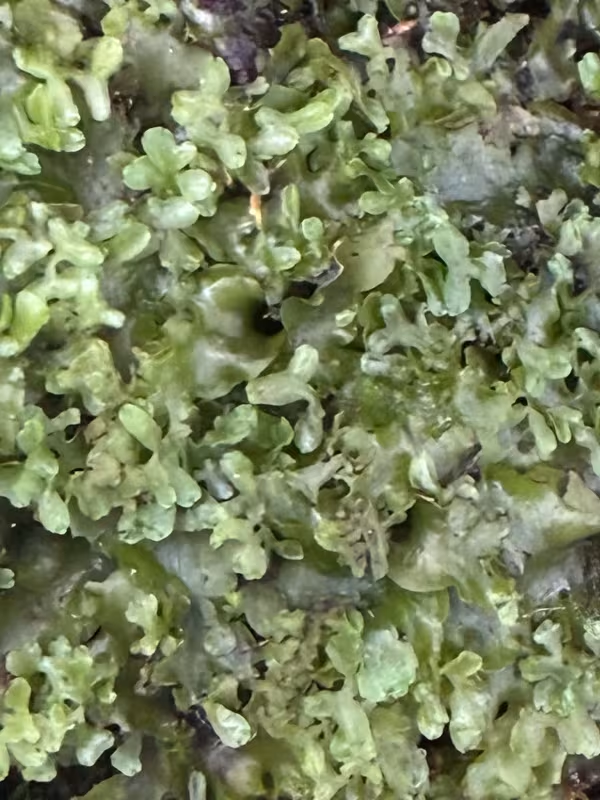
The morphology of the thallus is highly adaptive, exhibiting varying degrees of branching depending on the light intensity and nutrient availability in the environment.
Main diseases and pests
Environmental degradation, particularly the alteration of water courses and drainage, poses the most significant threat to its survival.
Water pollution, especially contamination by agricultural runoff, can disrupt the delicate nutrient balance required for its development.
Heavy siltation of the substrates where the species grows can effectively smother colonies, preventing gas exchange and nutrient uptake.
Competition from fast-growing vascular flora in disturbed habitats often leads to the displacement of Pellia populations.
Extreme drought conditions or prolonged exposure to direct sunlight results in rapid desiccation and the irreversible loss of thallus integrity.