
Nyctaginia capitata
Nyctaginia capitata
Description
Growing requirements
Nyctaginia capitata is a species of flowering plant within the Nyctaginaceae family. It is native to the southwestern United States and northern Mexico, areas characterized by hot temperatures and periodic water scarcity.
This species is highly regarded for its adaptation to arid environments. It thrives in full sun exposure and requires sandy or well-drained soil types to prevent moisture accumulation around the roots, which is essential for its survival.
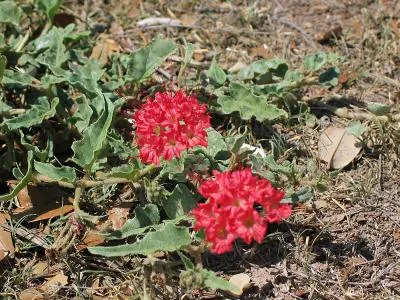
Botanically, the plant is known for its distinctive red, globe-shaped flower clusters that bloom during the warm season. The leaves often feature a sticky or glandular texture, which serves as a natural adaptation to reduce transpiration rates in harsh desert conditions.
In terms of agricultural management, Nyctaginia capitata requires minimal intervention once established. Irrigation should be sparse, and the soil profile must be kept relatively dry to mimic the plant's natural habitat and promote healthy growth.
The main horticultural use of this plant is in xeriscaping, where it provides vibrant colors without the need for high-volume irrigation. It is an excellent choice for rock gardens and borders in regions with high heat index and low annual rainfall.
Main diseases and pests
The primary threat to the health of Nyctaginia capitata is root rot, which occurs when the plant is kept in saturated soil for extended periods. Proper drainage is the most effective preventative measure for this condition.
Pest issues can include localized infestations of aphids or spider mites, particularly during periods of intense heat. Monitoring the foliage and using targeted organic treatments can keep these populations under control without harming the environment.
Powdery mildew may appear if the plants are crowded together in humid conditions, preventing proper airflow. Providing adequate space between individuals is key to reducing the likelihood of fungal infections spreading through the planting site.
Competitive weeds are a threat during the initial stages of the plant's life cycle. Ensuring that the planting site is cleared of aggressive weeds early on allows the plant to focus its energy on developing its robust root system.
Inappropriate mulching practices can be detrimental. Using thick layers of organic mulch can retain too much moisture against the crown of the plant, potentially leading to decay; therefore, inorganic mulch like gravel is preferred.