
Pisonia grandis
Pisonia grandis
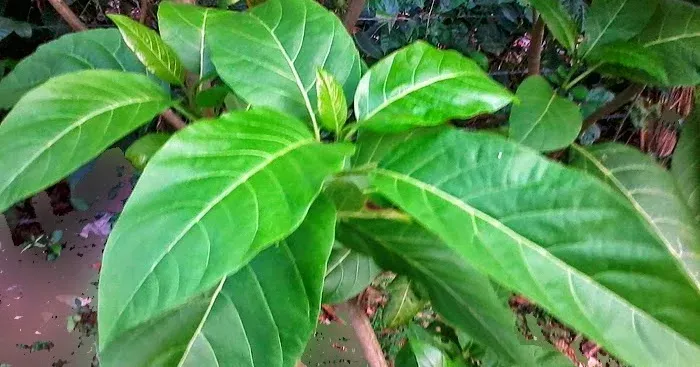
Description
Growing requirements
Pisonia grandis, commonly known as the bird catcher tree, is a large evergreen tree within the Nyctaginaceae family. It is characterized by its expansive, dense canopy and brittle wood, often forming thick, secluded groves in its natural tropical habitat.
The native range of this species extends across the tropical regions of the Indian and Pacific Oceans. It is primarily found on coral cays and coastal areas, where its sticky seeds are famously dispersed by adhering to the feathers of visiting seabirds.
The climate requirements for Pisonia grandis are strictly tropical. It thrives in high-temperature, high-humidity environments and is completely intolerant of frost. Stable thermal conditions are essential for maintaining the health and vegetative vigor of the canopy throughout the year.
Regarding soil conditions, this plant is exceptionally well-adapted to alkaline coral soils and sandy substrates. Its ability to withstand high levels of soil salinity and constant coastal winds makes it an important ecological pioneer and a reliable species for stabilizing maritime environments.
In terms of utilization, Pisonia grandis is primarily used for coastal windbreaks and ornamental landscaping in tropical zones. While not a traditional food crop, its ecological role as a nesting substrate for colonial seabirds makes it a critical component of island conservation efforts.
Main diseases and pests
Pisonia grandis is susceptible to infestations by scale insects and mealybugs, which can cause significant damage to foliage and shoot development. Additionally, improper drainage or poorly ventilated growing sites can lead to various fungal pathogens, resulting in root rot or leaf spots.