
Sacred Lotus
Nelumbo nucifera Gaertn.
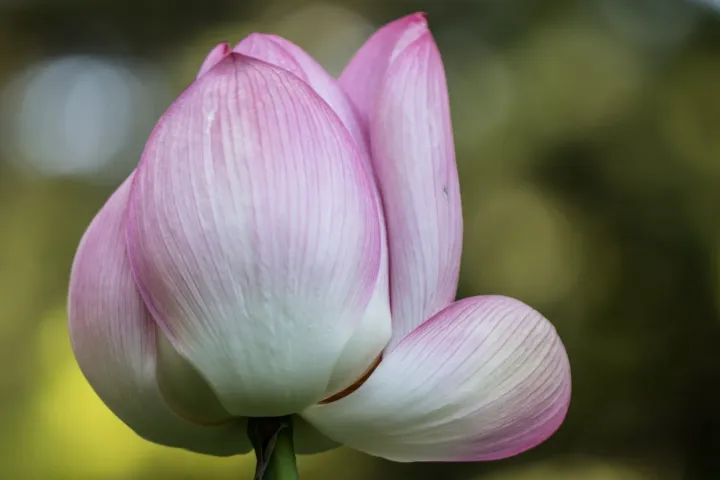
Description
Sowing dates
Sowing the sacred lotus (Nelumbo nucifera) primarily involves seeds, which have a very tough seed coat. Scarification of the seed coat is essential to allow water penetration and initiate the germination process.
The ideal time for sowing is when water temperatures consistently reach +20...+25°C. In temperate climates, seeds are often started indoors in water containers before being transplanted to outdoor ponds.
Seeds or rhizomes should be planted at a depth of 20–40 cm into the bottom soil. Maintaining a stable water level is critical during the initial establishment phase to ensure the young plants are neither desiccated nor submerged too deeply.
Vegetative propagation using rhizome segments with nodes is a more efficient method for commercial production, as it leads to faster plant establishment and earlier flowering compared to seeds.
Planting density is crucial for long-term health; spacing should allow for vigorous spread. Typically, 1 to 2 plants per square meter are sufficient to prevent overcrowding and ensure adequate nutrient uptake.
Growing requirements
Sacred lotus is a warmth-loving plant of the Nelumbonaceae family. It thrives in full sunlight, requiring at least 8–10 hours of direct light daily and water temperatures consistently above +20°C.
The ideal habitat is a still or slow-moving water body with a rich, silty bottom. The fertile soil layer should be at least 30–50 cm deep to support the extensive root and rhizome system of the lotus.
Water quality is paramount; the lotus is highly sensitive to chemical pollutants, heavy metals, and high salinity, which can severely inhibit growth and floral development.
The optimal water depth for cultivation ranges from 0.5 to 1.5 meters. If the water is too deep, the petioles may fail to reach the surface, leading to plant decline.
Protection from high winds and strong currents is necessary to preserve the large, floating leaves, as damage to the foliage reduces the plant's photosynthetic capacity.
Yield
The yield of sacred lotus includes both the seeds, which are highly nutritious, and the starch-rich rhizomes. Production efficiency depends heavily on the maintenance of the aquatic environment.
Seeds are harvested once the seed pods turn brown and the seeds inside become firm and dark. They are valued for their high protein content and are used in various culinary and medicinal applications.
Rhizomes are harvested at the end of the growing season. They are processed into starch and are a staple ingredient in many Asian cuisines due to their unique texture and nutritional profile.
Commercial yields are optimized through regular fertilization of the pond mud and control of competing aquatic vegetation that may shade the lotus plants.
Proper management of the life cycle ensures that both seed production and rhizome development reach their peak potential, providing a dual-revenue stream for producers.
Main diseases and pests
Sacred lotus is susceptible to fungal infections, particularly leaf spot diseases, which often occur in stagnant or poorly aerated water conditions with high plant density.
Pests such as aquatic larvae and certain species of snails can damage young leaves and growing tips, causing significant stress to the plant population.
Algal blooms pose a major threat by competing for sunlight and nutrients. Regular pond maintenance and water quality monitoring are necessary to mitigate these competitive pressures.
Vertebrates such as carp and rodents can consume or damage the underground rhizomes. Protective fencing or controlled stocking of the water body is often required.
Preventative measures, such as the use of healthy, disease-free starting material and maintaining biological balance, are the best defense against major outbreaks.
Harvesting
The harvest of seeds begins when the seed head is mature and the seeds are fully developed. Immediate post-harvest drying is required to prevent mold and ensure long-term shelf life.
Rhizomes are harvested in late autumn after the aerial foliage has withered. At this stage, the plant has translocated its energy reserves into the rhizome, maximizing the starch content.
Harvesting tools must be used carefully to extract the rhizomes from the mud without causing unnecessary mechanical breakage, which can lower market value.
After extraction, rhizomes are thoroughly cleaned, sorted by size, and either sold fresh or processed into derivatives like flour or dried slices.
Storage requires cool, dry conditions for processed parts, while fresh rhizomes should be kept moist and cool to maintain their crisp texture until they reach the consumer.