
Poraqueiba
Poraqueiba
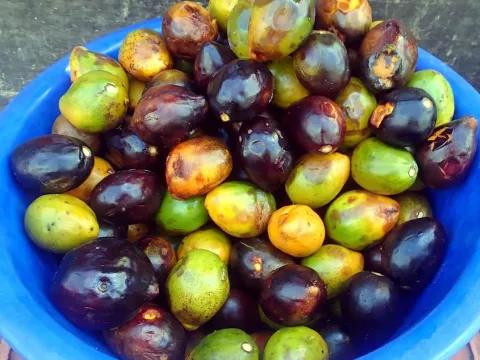
Poraqueiba (Poraqueiba sericea), native to the Amazon rainforest, is a tropical tree belonging to the Icacinaceae family. This species is highly valued for its nutritious fruits, which are a significant source of lipids and proteins in local traditional diets.
What the section contains

Poraqueiba
The plant thrives in equatorial climates where high temperatures and significant annual rainfall are constant. It is strictly a tropical species and cannot tolerate frost, which dictates its restricted cultivation area within the South American tropical belt.
Soil conditions play a crucial role in the development of Poraqueiba. The tree performs best in deep, acidic, and well-drained soils. While it is hardy in its native habitat, agricultural success depends on maintaining soil organic matter to support steady growth.
Agronomic management involves providing adequate shade for saplings, which are sensitive to direct, harsh sunlight. As the trees mature, they require sufficient space to develop their canopy, which helps in optimizing photosynthesis and fruit production.
Economically, Poraqueiba is considered an important fruit-bearing plant. Its fruits are harvested not only for direct consumption but also for the extraction of oil, which is utilized both for culinary purposes and in traditional medicine, showing the crop's versatile value.
Fungal diseases are a primary threat to Poraqueiba plantations, particularly in high-humidity environments where poor ventilation leads to spore proliferation. These infections can damage the fruit skin and foliage, significantly impacting market quality.
Insects that target the developing ovaries and young buds pose a major risk during the flowering and fruit-setting stages. Early detection and management are essential to prevent severe crop losses caused by these pests during the productive season.
Leaf-eating pests can damage the tree's canopy, leading to a reduction in vigor and productivity. Sustainable orchard management practices, including monitoring and biological control, are recommended to maintain tree health without disrupting the ecosystem.
Root-related issues, including nematode infestations, can affect trees planted in unsuitable or poorly drained soil. Maintaining soil health through proper management and avoiding monoculture practices can help mitigate these soil-borne threats effectively.
Integrated pest management (IPM) strategies are vital for this crop, as they allow growers to address challenges while preserving the ecological balance of the tropical regions where Poraqueiba is grown.