
Poraqueiba
Poraqueiba paraensis
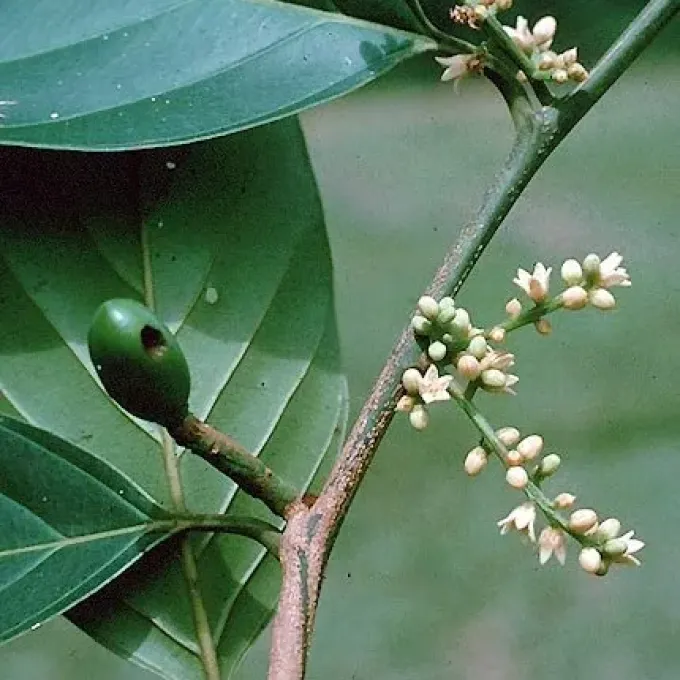
Description
Sowing dates
Propagation of Poraqueiba is primarily achieved through seeds, as this tree exhibits a strong natural regeneration capacity within humid tropical forest environments. Seeds must be sown immediately after removal from the fruit, as they rapidly lose viability if allowed to dry out.
For establishing plantations, seeds are sown in specialized nurseries or containers using a well-drained substrate rich in organic matter. The optimal temperature range for germination is 25–30 degrees Celsius under high humidity conditions.
Transplanting seedlings to the final site should be carried out at the beginning of the rainy season, which ensures young plants have sufficient moisture reserves for root system adaptation. Row spacing should be at least 8–10 meters to provide adequate space for canopy development.
The preparation of planting holes is a critical step; they should be filled with fertile soil amended with compost. The water table must not be too high to prevent the risk of root rot during the establishment phase.
Young trees require regular shading in their early years to protect them from direct sunlight and soil overheating. Gradual acclimatization to full sun is essential for the successful development of a productive mature tree.
Growing requirements
Poraqueiba paraensis belongs to the Icacinaceae family and is a typical representative of the Amazonian humid tropical flora. The crop has high temperature requirements, preferring a consistently warm climate without significant fluctuations.
The tree thrives in deep, well-aerated soils with an acidic to neutral pH level. Waterlogging on the site is a critical limiting factor that hampers root system development and increases susceptibility to various pathogens.
Light intensity plays a vital role in the plant's photosynthetic activity; however, in natural settings, the species can withstand moderate shade. In commercial cultivation, maintaining a balance between light exposure and humidity is recommended.
The crop is highly sensitive to prolonged dry spells; therefore, in regions with a distinct dry season, the implementation of drip irrigation systems is necessary. Watering must be sufficient to maintain leaf turgor and support active fruit growth.
Regular application of organic fertilizers helps maintain high soil fertility levels and provides the tree with essential macronutrients and micronutrients. Mulching the base of the tree aids in moisture retention and soil temperature regulation.
Yield
Fruiting of Poraqueiba begins several years after planting, typically around the 5th to 7th year, provided that proper management practices are in place. The tree is capable of producing stable yields over a long lifespan, making it a valuable asset for agroforestry.
Poraqueiba fruits are drupes containing significant amounts of oils and fats, which accounts for their high nutritional value. The skin color can range from yellow and orange to deep purple depending on the specific variety.
Commercial utilization of the fruit includes fresh consumption, beverage preparation, and the extraction of high-quality vegetable oil. The unique nutritional profile of the product is highly valued in local cuisine and traditional medicine.
Yield depends on the age of the tree, light availability, and planting density within the plantation. Optimization of mineral nutrition allows for a significant increase in total fruit harvest per hectare.
Breeding and selection efforts are still in the early stages, but identifying the most productive individuals allows for the improvement of fruit quality characteristics and overall stress tolerance to environmental factors.
Main diseases and pests
The main threats to Poraqueiba are fungal diseases of the root system that emerge when drainage is compromised. Waterlogged soils often lead to the development of root rots, which are notoriously difficult to treat once established.
In humid climates, leaves and fruits can be affected by powdery mildew or various leaf spots caused by specific tropical pathogens. Regular monitoring of the orchard is essential for the early detection of infection signs.
Pests, such as weevils and various insect species that damage the bark and fruits, can cause significant crop losses. Integrated pest management (IPM) strategies, including the use of beneficial insects and biological pesticides, are recommended.
Weed infestation during the first years of seedling growth creates serious competition for nutrients and water. Timely weeding and maintaining clean plant bases are mandatory agronomic practices.
Climate change and unusual temperature anomalies can trigger stress conditions that weaken the tree's natural immunity. Strengthening the plant through sound agronomic practices remains the best method for disease prevention.
Harvesting
Harvesting Poraqueiba requires great care, as ripe fruits are quite sensitive to mechanical damage. It is recommended to pick fruits by hand, avoiding contact with the ground, which can degrade their market appearance.
Maturity is determined by changes in fruit color and the ease with which the fruit detaches from the stem. It is important to harvest during dry weather to prevent the onset of decay processes during transport and storage.
Post-harvest, the crop must be sorted by size and quality, with damaged or overripe specimens removed. Poraqueiba fruits have a limited shelf life at room temperature, so timely marketing is essential.
For long-distance transport, fruits should be packed in well-ventilated crates that prevent overcrowding and physical crushing. Maintaining a stable temperature during logistics significantly extends the market window.
Processing the fruit into oil or other derivatives is often performed near the harvest site to preserve bioactive compounds and flavor profiles. Industrial processing allows for the maximum utilization of this crop's potential.