
Aciotis caulialata
Aciotis caulialata
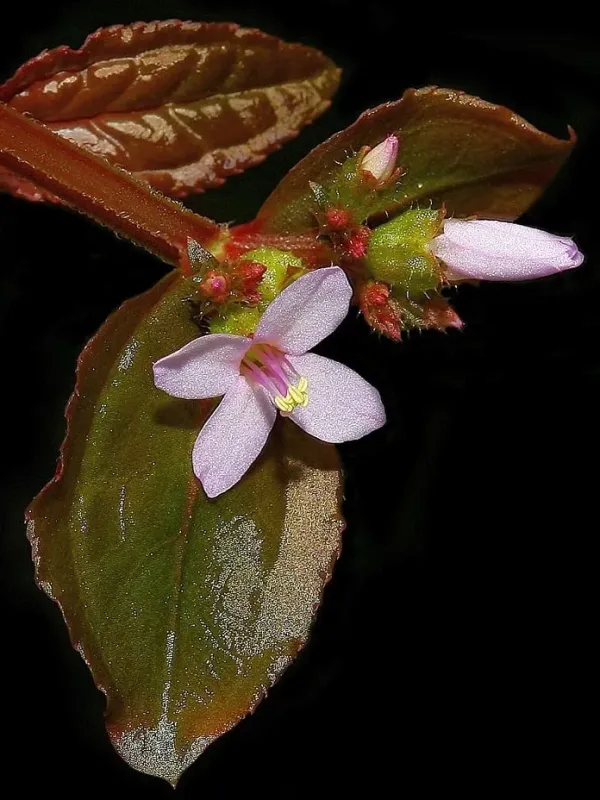
Description
Growing requirements
Aciotis caulialata is a herbaceous plant belonging to the Melastomataceae family. It originates from the tropical rainforests of South America, where it thrives in shaded and humid environments.
The plant requires high and constant temperatures to develop properly. It is strictly a tropical species and lacks cold hardiness, making it highly susceptible to even mild temperature drops.
Cultivation requires a substrate that mimics forest soil: rich in organic matter, loose, and well-aerated. The soil pH should remain slightly acidic to ensure optimal nutrient uptake by the root system.
Regarding lighting, Aciotis caulialata prefers filtered sunlight or partial shade. Direct exposure to intense sun can scorch the foliage and negatively impact the plant's overall health and growth rate.
Consistent moisture management is crucial. The roots require constant humidity, but water must drain efficiently to prevent rot, which is a frequent issue in poorly structured growing media.
Main diseases and pests
Due to its native humid habitat, Aciotis caulialata is vulnerable to fungal diseases such as leaf spots, which thrive in stagnant, damp air conditions. Good ventilation is essential for preventing these outbreaks.
Common pests include spider mites and mealybugs, especially in indoor or greenhouse settings where air humidity can fluctuate. Regular inspections are necessary to identify early signs of infestation.
Root rot is the most serious threat to this species. It is typically caused by overwatering or using a medium that does not provide sufficient drainage for the sensitive root system.
Prophylactic measures, such as maintaining adequate space between plants and ensuring optimal air circulation, are the best methods to keep the culture healthy and resistant to diseases.
If chemical interventions are necessary, they should be applied cautiously, focusing on systemic treatments that do not damage the delicate tissues of the plant leaves and stems.