
Meesia
Meesia
The genus Meesia belongs to the family Meesiaceae and represents a group of acrocarpous mosses found primarily in moist, often boggy, environments. These mosses are specialized to thrive in habitats where water saturation is consistent throughout the year.
What the section contains

Meesia
Geographically, Meesia species are distributed across the Northern Hemisphere, showing a clear preference for cool, humid climates. They are commonly identified in habitats ranging from fens and peatlands to the margins of mountain springs where competition from higher plants is moderated by water levels.
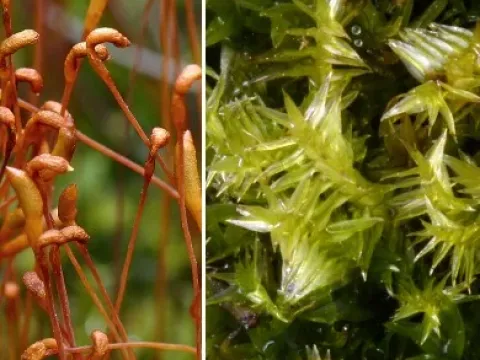
From a botanical standpoint, Meesia mosses are characterized by their erect stems and distinctively long, thin setae that support the spore-bearing capsules. These structures are adapted for efficient spore dispersal in open, windswept environments typical of bog ecosystems.
The ecological requirements for this genus are stringent. They require substrates that are nutrient-rich but not prone to rapid drying. As non-cultivated flora, they play a vital role in wetland succession, aiding in the accumulation of organic matter and stabilization of the soil surface in fragile mire ecosystems.
While Meesia is not classified as an agricultural crop, its presence is a significant indicator of healthy, untouched wetland habitats. Protecting these mosses is essential for biodiversity conservation, as they act as early warning indicators of environmental degradation and water table fluctuations in northern peatlands.