
Meesia uliginosa
Meesia uliginosa
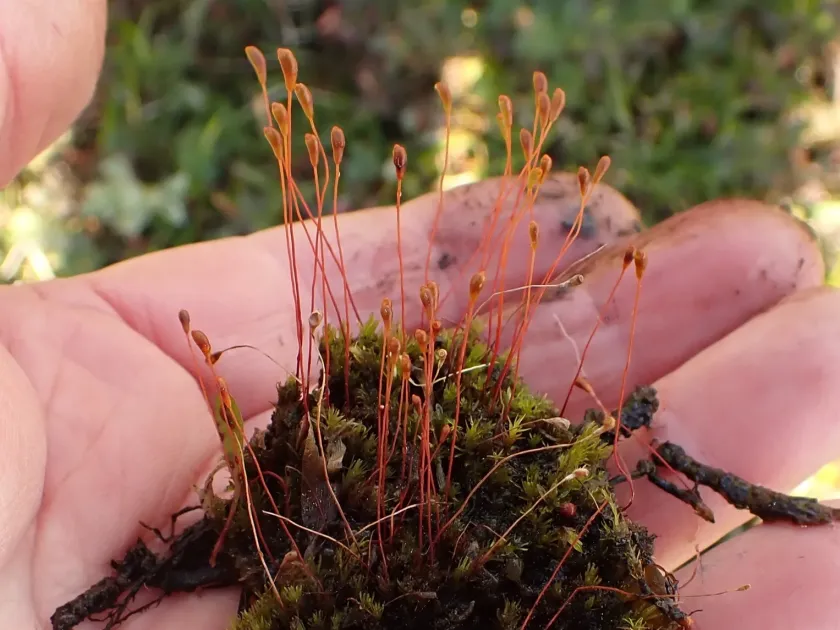
Description
Growing requirements
Meesia uliginosa is a distinct moss species belonging to the Meesiaceae family. While not an agricultural crop, it serves as a critical biological component in temperate and boreal wetlands, acting as an environmental indicator for water quality and hydrological stability.
Botanically, this species grows in loose tufts, typically displaying a green or yellowish-green color. Its stems, ranging from 1 to 5 centimeters, are densely foliated with lanceolate leaves that exhibit significant adaptation to high-moisture environments.
The cultural requirements for this plant are highly specific. It thrives in open, sunny habitats with consistent moisture levels and a preference for alkaline or carbonate-rich soils. It is commonly found in fens, along lake shores, and in areas with groundwater seepage.
Regarding climate, Meesia uliginosa is adapted to cold and temperate zones across the Northern Hemisphere. It possesses strong cold tolerance, enabling it to survive harsh winters, though it lacks resilience against dry conditions and habitat disturbance.
In modern land management, this plant is valued for its role in ecosystem services. Protecting its habitat is essential for maintaining the carbon sequestration capacity of wetlands, which is increasingly relevant to sustainable agricultural land use policies.
Main diseases and pests
The primary threat to Meesia uliginosa populations is the artificial drainage of wetlands. Agricultural land reclamation and the installation of drainage systems significantly lower the water table, making survival impossible for this moisture-dependent species.
Eutrophication caused by nutrient runoff from nearby cultivated fields poses a severe risk. Excess nitrogen and phosphorus levels stimulate the growth of invasive vegetation, which eventually smothers the moss and alters the soil chemistry beyond its tolerance range.
Chemical contamination, including the drift of herbicides and fungicides from conventional farming, can cause rapid decline in moss density. The delicate biological structure of the plant makes it susceptible to even low concentrations of synthetic chemicals.
Invasive species competition is a significant concern following any disturbance to the soil or water balance. When wetlands are partially drained, fast-growing grasses and shrubs rapidly colonize the area, outcompeting the slow-growing Meesia.
Conservation strategies should emphasize the maintenance of buffer zones and the prevention of hydrological disruptions. Preserving these moss populations is a vital step in ensuring the overall ecological integrity of rural landscapes.