
Woodfordia fruticosa
Woodfordia fruticosa
Description
Growing requirements
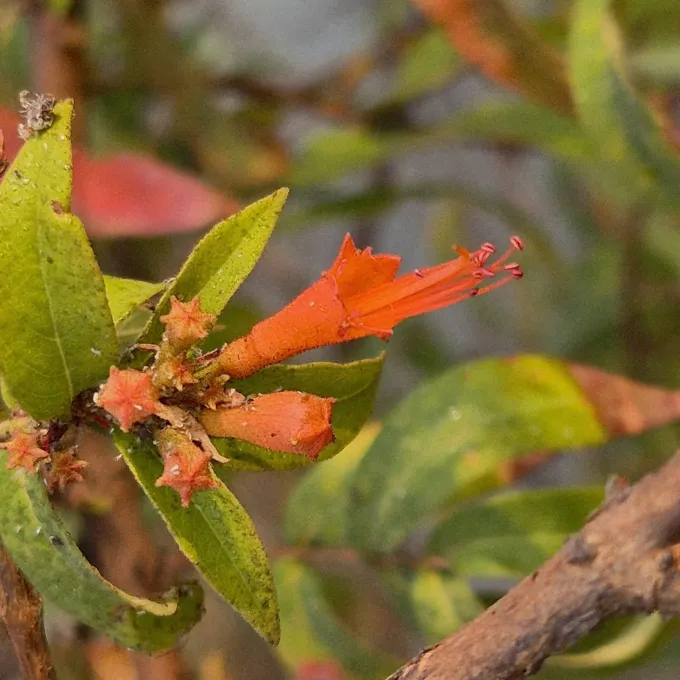
Woodfordia fruticosa, commonly known as the fireflame bush, is a perennial shrub belonging to the Lythraceae family. It is widely recognized for its vibrant reddish-orange flowers that bloom in clusters, covering the slender, spreading branches of the plant.
This species is native to tropical and subtropical regions of Asia and Africa. It thrives in environments with high solar radiation and warm temperatures throughout the year. It is best suited for cultivation in zones that mimic its natural habitat, avoiding areas with frost or prolonged cold.
The plant performs best in well-drained soil ranging from sandy to loamy textures. It is highly adaptable to various pH levels but prefers slightly acidic to neutral soil. Proper drainage is critical, as stagnant water can be detrimental to the plant's health.
Regarding moisture, Woodfordia is known for its remarkable drought tolerance once established. However, for agricultural production or decorative purposes, maintaining consistent moisture during the early growth stages helps in building a robust root system and promoting foliage density.
Economically, the plant is highly valued. Its flowers are used as a natural dye source in traditional fabric printing, while its leaves and bark contain phytochemicals used in traditional medicine for their healing and astringent properties.
Main diseases and pests
While generally hardy, the fireflame bush can be susceptible to fungal diseases if planted in areas with poor drainage and high humidity. Root rot is the most common issue in poorly aerated soils, requiring careful site selection before planting.
Pests such as aphids and spider mites are potential threats, particularly during hot and dry weather conditions. These insects target the new growth and flower buds, significantly reducing the visual appeal and potential yield of the dye-producing flowers.
Integrated pest management is recommended for controlling infestations. This includes the use of beneficial insects, neem oil, or other environmentally friendly sprays to minimize chemical impact while protecting the plant's vitality.
Mechanical damage from strong winds or improper pruning can lead to secondary infections. Always ensure that cutting tools are sterilized before use to prevent the transmission of pathogens from diseased shrubs to healthy ones.
Regular maintenance, including removing dead wood and thinning the center of the canopy, improves air circulation. This simple practice significantly lowers the risk of pest colonization and promotes a healthier, more vigorous growth habit.