
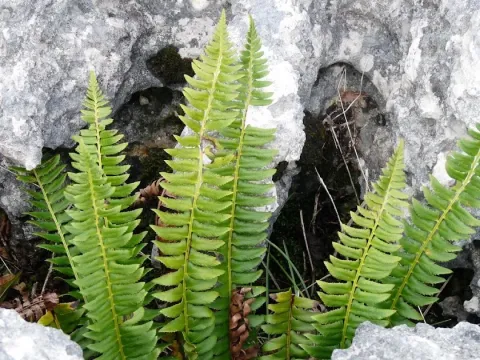
Lonchitis
Lonchitis
Lonchitis is a genus of ferns within the Lonchitidaceae family. These plants are native to tropical climates, typically found in shaded forest environments where they thrive under a canopy that provides protection from direct sun.
What the section contains

Lonchitis
The primary environmental requirement for Lonchitis is consistent high humidity and warm temperatures. These ferns are not frost-hardy and are unsuitable for outdoor cultivation in temperate zones, requiring greenhouse conditions for optimal health.
Soil requirements involve a rich, acidic to neutral, and well-draining medium. Adding organic matter, such as leaf mold or high-quality peat, is essential to mimic the natural forest floor habitat where these plants usually develop.
Cultivation practices demand careful attention to watering, as the roots require constant moisture but are highly susceptible to rot if submerged in stagnant water. Proper drainage is therefore a critical component of the planting technique.
Lonchitis is primarily managed for ornamental purposes in controlled botanical environments. Given its size and specific requirements, it requires sufficient space and a stable climate to reach its full vegetative potential.
The most common threats to Lonchitis include spider mites, which thrive in low-humidity indoor environments. These pests cause damage to the fronds, leading to discoloration and eventual leaf drop if left untreated.
Fungal diseases are a frequent concern when air circulation is inadequate. Pathogens can quickly colonize the fronds during periods of excessive moisture, resulting in dark lesions and potential tissue death.
Root rot is often the result of improper watering regimes or soil compaction. Once the root system is compromised, recovery is difficult, making prevention through soil aeration and careful moisture management vital.
Scale insects can also infest these ferns, particularly in greenhouse collections. Early detection through regular inspections and the application of appropriate horticultural oils or soaps are recommended control methods.
Improper pH levels or nutrient imbalances can lead to stunted growth. Monitoring the soil chemistry regularly ensures that the fern receives the necessary micronutrients for vibrant frond development.