
Hairy lonchitis
Lonchitis hirsuta
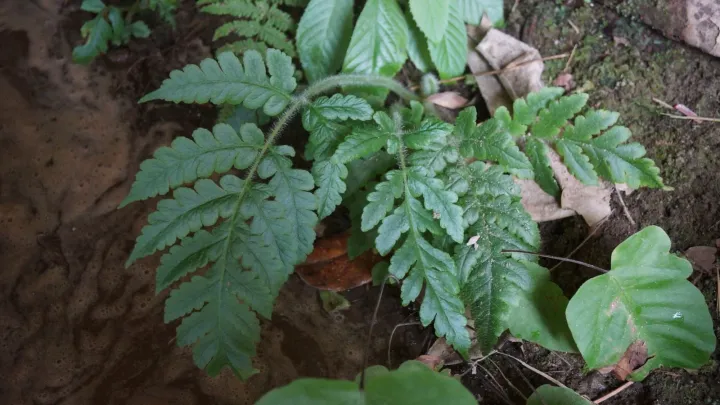
Description
Growing requirements
Hairy lonchitis (Lonchitis hirsuta) is a perennial fern species belonging to the Dennstaedtiaceae family, primarily native to tropical regions of the Americas, where it inhabits humid forest ecosystems.
The plant requires specific environmental conditions to thrive, including high atmospheric humidity and constant, warm temperatures, which are typical of its natural tropical habitat.
Cultivation success depends heavily on the quality of the substrate, which should be nutrient-rich, humus-heavy, and possess excellent drainage capabilities to maintain healthy root development.
Botanically, this species is distinguished by its creeping rhizomes and large, pinnate, hirsute fronds that allow the plant to thrive in shade-dominant environments.
Providing a consistent environment with diffused light is essential, as the hairy lonchitis lacks tolerance for intense direct sunlight and fluctuating climatic variables.
Main diseases and pests
Fungal infections remain the primary threat to hairy lonchitis, particularly when excessive humidity is combined with poor airflow, leading to rhizome and frond rot.
Pests such as soil-dwelling nematodes and specific sap-sucking insects can significantly damage the delicate tissues, causing severe stunting of growth and foliage deformity.
Environmental stress, caused by unexpected dry spells or drastic changes in ambient temperature, often compromises the plant's natural resistance to diseases.
Competition from invasive species in natural or semi-controlled settings requires vigilant monitoring to ensure the fern retains adequate resources for its development.
Integrated pest management strategies focusing on hygiene and early detection are crucial for maintaining the vigor and health of Lonchitis hirsuta populations.