
Usteria guineensis
Usteria guineensis
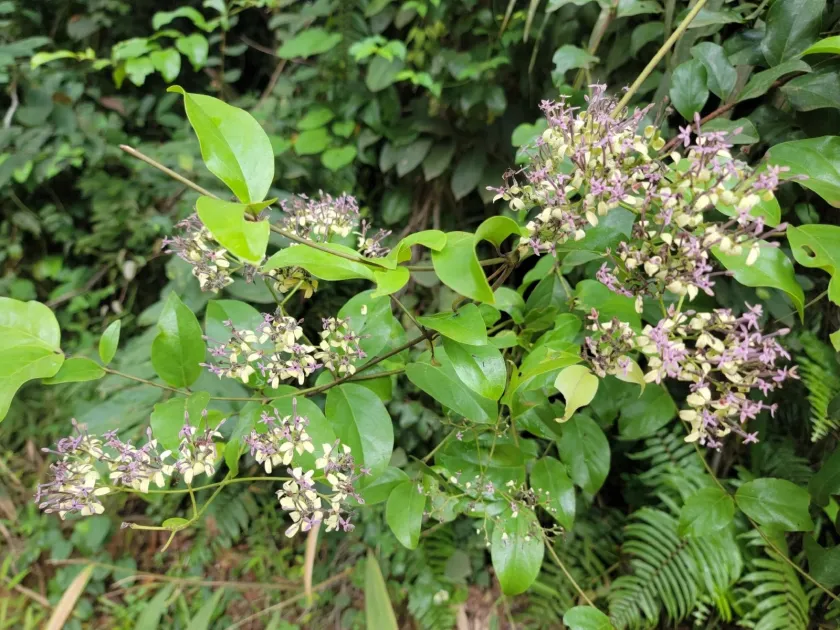
Description
Growing requirements
Usteria guineensis is a perennial woody shrub or climbing plant belonging to the Loganiaceae family. Its natural habitat is concentrated in the humid tropical forests of West and Central Africa.
The plant thrives in stable high-temperature environments typical of the tropics. It requires consistently high air humidity and is sensitive to cold stress, making it unsuitable for temperate climates without controlled environments.
Successful cultivation depends on deep, well-draining soils rich in organic matter. The root system is susceptible to decay if the soil remains waterlogged, necessitating careful irrigation management.
As an understory plant, it prefers filtered light conditions rather than direct sun exposure. Providing shade is crucial to prevent leaf scorching and to mimic its natural environmental niche.
Management involves regular monitoring of soil moisture and nutrient levels. Fertilizer application, specifically targeting nitrogen, helps support the vigorous growth of its climbing stems.
Harvesting
The economic and cultural utilization of Usteria guineensis is deeply rooted in African traditional medicine. Various parts of the plant, primarily leaves and bark, are valued for their bioactive compounds.
Harvesting practices are generally small-scale and artisanal. Collectors carefully select plant parts to ensure minimal impact on the mother plant, promoting long-term sustainable harvesting.
Post-harvest handling is critical, requiring efficient drying methods to prevent fungal contamination. Traditional air-drying in shaded areas is the standard procedure to preserve the potency of the medicinal components.
Research interest in this species focuses on its alkaloid content, which presents significant potential for the pharmaceutical industry to develop novel medical applications.
While not a major commercial crop, the species remains an essential subject of ethnobotanical studies. Efforts to standardize its cultivation could lead to a more sustainable supply of raw material for future research.