
Sphenomeris biflora
Sphenomeris biflora
Description
Growing requirements
Sphenomeris biflora is a member of the Lindsaeaceae family. This species is a perennial fern native to the tropical regions of the Pacific, where it thrives in rocky, humid environments and coastal forests.
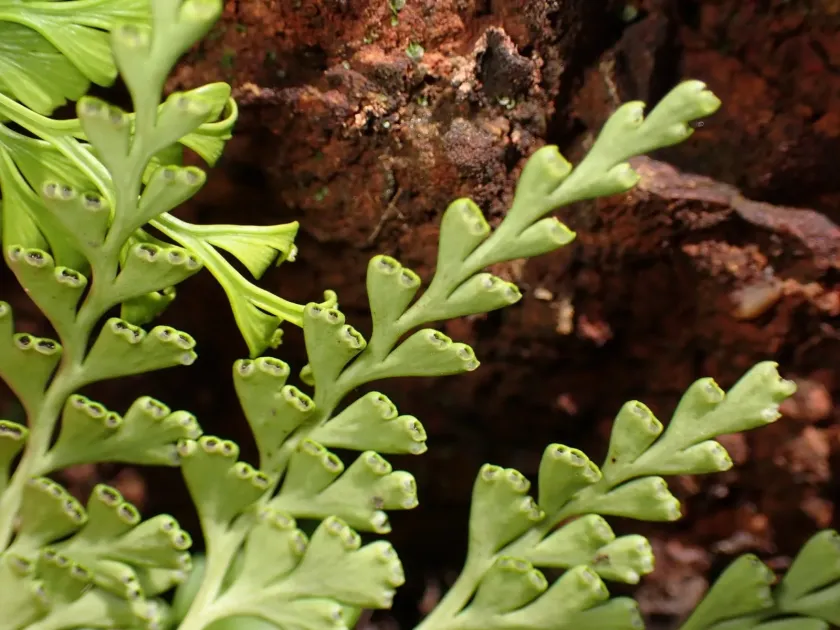
Botanically, it is recognized by its delicate, finely divided fronds that form dense, attractive clumps. Its slow growth rate and sensitivity to environmental changes make it a prized plant for botanic collections.
The climate requirements include high ambient humidity and moderate to high temperatures. It does not tolerate cold drafts or temperatures below 15 degrees Celsius, making it strictly a greenhouse or indoor plant in temperate regions.
Soil requirements involve a well-draining, acidic medium rich in organic matter. A mixture consisting of peat, orchid bark, and perlite provides the necessary structure to support root respiration while retaining sufficient moisture.
Routine care involves consistent irrigation and protection from direct sunlight. The plant performs best in filtered light, which simulates the canopy cover of its natural tropical forest floor habitat.
Main diseases and pests
The most significant threats to Sphenomeris biflora include root-rotting fungi triggered by improper watering schedules. Waterlogging is the primary cause of decline for this fern in indoor environments.
Pests such as scale insects and spider mites are common attackers. Spider mites, in particular, thrive in dry indoor conditions and can cause significant damage to the delicate fern fronds if not controlled immediately.
Integrated pest management strategies are recommended. This includes maintaining optimal humidity levels and physical removal of insects using a soft cloth soaked in mild soapy water if infestations are detected early.
Preventative maintenance requires periodic cleaning of the leaves to remove dust and ensuring that the pots have excellent drainage holes to prevent standing water in the root zone.
In cases of severe fungal infection, it is necessary to transplant the fern into a fresh, sterilized substrate and prune away any necrotic or damaged fronds to stop the spread of pathogens.