
Decaisnea insignis
Decaisnea insignis
Description
Sowing dates
Seeds of Decaisnea insignis have a thick outer coat and require cold stratification to break dormancy. Place the seeds in a damp medium and refrigerate them at temperatures between 0 and 5 degrees Celsius for about 2 to 3 months.
Sow the stratified seeds in a well-drained seed-starting mix in early spring. Keep the sowing container in a warm area with temperatures around 18-22 degrees Celsius to encourage germination.
The germination process can be slow and sporadic. Patience is required, as some seeds may take several weeks or even months to sprout. Ensure the soil remains moist but not waterlogged during this time.
Once seedlings have developed two sets of true leaves, they can be pricked out into individual pots. Use a nutrient-rich potting soil to support their initial growth phase in a greenhouse or sheltered area.
Transplanting to their permanent outdoor position should only occur once the plant has established a strong root system, typically after its second or third year of growth.
Growing requirements
Decaisnea insignis, part of the Lardizabalaceae family, thrives in semi-shaded locations. While it can tolerate some sun, it is best protected from harsh afternoon heat which can scorch the leaves.
The plant demands fertile, moist, and well-draining soil. It prefers a neutral to slightly acidic pH and does not tolerate soil compaction or waterlogging, which often leads to root rot.
Consistent moisture is essential for this species, especially during the active growing season. Mulching the base of the plant helps retain soil humidity and keeps the roots cool during summer months.
While mature plants are hardy to around -15 degrees Celsius, young specimens are susceptible to frost damage. Providing winter protection, such as fleece or straw mulching, is recommended in colder climates.
Regular feeding with balanced organic fertilizers during early spring promotes strong foliage and stem growth, while autumn feeding is generally discouraged to prevent soft growth before winter.
Yield
The plant typically begins to fruit between 5 and 7 years after planting. Cross-pollination is often necessary to ensure a decent crop, so it is beneficial to plant multiple specimens together.
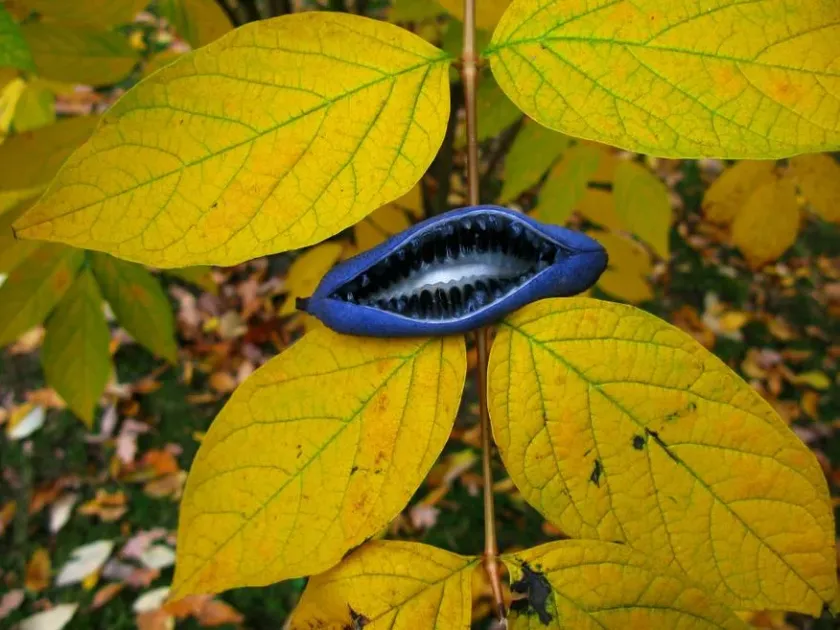
The fruit of Decaisnea insignis consists of unique, pod-like berries that reach up to 15 centimeters in length. They are visually striking due to their waxy, slate-blue exterior when fully mature.
Inside the pods, there is a translucent, jelly-like pulp containing numerous flat, black seeds. The taste is sweet and mild, often described as a cross between a watermelon and a pear.
A mature, healthy shrub can produce a significant yield of pods annually. Pruning out old or dead wood ensures that the plant directs energy toward productive flowering shoots each season.
The fruit is considered a rare exotic delicacy. Due to its short shelf life, it is rarely seen in mainstream produce markets, making it a prized harvest for private collectors and specialty gardeners.
Main diseases and pests
Decaisnea insignis is generally robust and suffers from few major diseases. Its primary threat in domestic gardens is poor drainage leading to fungal root pathogens.
Pests are rarely a significant problem for mature plants. Occasionally, aphids may attack the tender new growth in spring, but these can usually be managed with simple biological control methods or water sprays.
Preventative care involves ensuring good air circulation around the shrub. Removing leaf litter in the autumn helps reduce the risk of common fungal spores over-wintering near the crown of the plant.
In regions where rabbits or rodents are active, young stems are at risk of bark stripping during winter. Protective wire cages or tree guards are advised to keep the plant safe during its early years.
Consistent monitoring during the growing season allows for early intervention if signs of nutrient deficiency or localized pest activity appear, maintaining overall plant health.
Harvesting
Harvesting should occur in late autumn when the fruit pods change from green to a distinct, waxy, slate-blue color. This color change is the primary indicator of maturity and sweetness.
Cut the pods from the branches using sharp, sterilized pruners. Be gentle, as the skin of the fruit is thin and can easily be bruised or punctured during the harvesting process.
Freshly harvested pods have a limited shelf life and should be kept in a cool, well-ventilated area. They are best consumed within a few days to enjoy the optimal texture and sweetness.
If you intend to save the seeds, open the mature pods, extract the seeds, wash off the jelly-like pulp, and allow them to dry thoroughly before storing them in a cool, dark location.
For culinary use, the pulp can be consumed directly or incorporated into desserts. If you have a large harvest, the pulp can be extracted and frozen, although the original texture may change slightly upon thawing.