
Akebia
Akebia Decne.
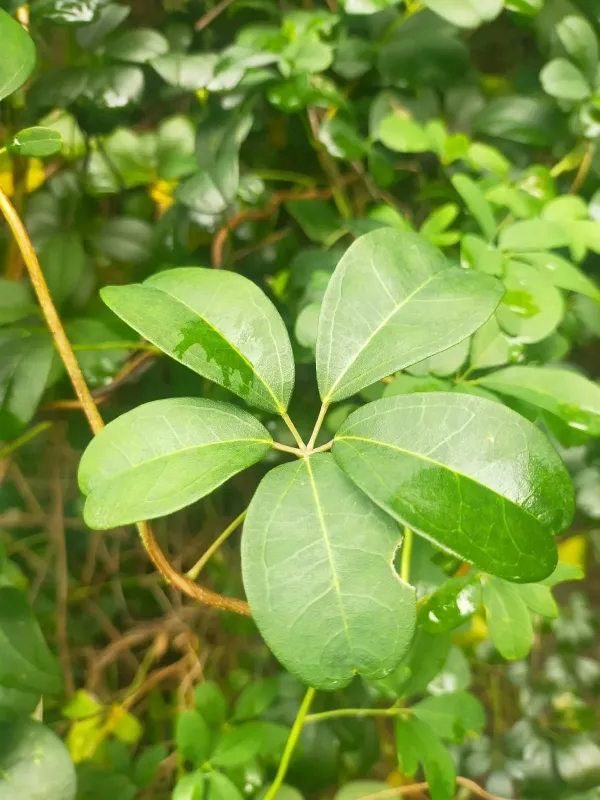
Description
Sowing dates
Propagation of Akebia via seeds requires a stratification period of 30–60 days at approximately 4°C. Seeds should be sown in spring into a well-draining, loose substrate.
In agricultural settings, vegetative propagation using cuttings or layering is preferred to ensure genetic consistency and faster establishment of the vines.
Cuttings are best taken in late summer and must be kept in conditions of high humidity and indirect light to facilitate root development before the onset of dormancy.
Seedlings should be transplanted to their permanent location in spring, ensuring the risk of late frosts has passed, allowing roots to stabilize before the summer heat.
When planting, consider the vigorous growth habit of Akebia; allow a spacing of at least 2–3 meters between plants to prevent overcrowding and ensure adequate airflow.
Growing requirements
Akebia is a member of the Lardizabalaceae family, thriving in sunny positions but capable of tolerating partial shade, making it ideal for vertical structures.
The plant performs best in fertile, loamy soils with a neutral to slightly acidic pH, provided that the ground offers excellent drainage to avoid waterlogging.
Sturdy support is essential, as this woody vine can reach lengths of 6–10 meters, requiring structures capable of bearing its considerable vegetative weight.
Regular irrigation is necessary, particularly during dry spells, though overwatering should be avoided as it can promote root rot and weaken the plant's structural integrity.
For optimal growth and flowering, site the vine in an area protected from strong, cold winds, preferably with a southern or southwestern exposure.
Yield
The fruit of the Akebia is a fleshy, oblong pod that turns a deep purple hue upon ripening and naturally splits open to reveal a fragrant, white pulp.
Yields are highly dependent on cross-pollination; therefore, it is necessary to grow multiple clones or distinct varieties of the plant to ensure successful fruit set.
The flavor of the pulp is unique, often described as a delicate blend of banana, passion fruit, and raspberry, which creates market interest as a niche horticultural product.
Young shoots and leaves also have minor economic use, as they are sometimes harvested for medicinal teas or infusions known for their mild tonic properties.
In regions with shorter growing seasons, growers should select early-maturing cultivars to ensure the fruit completes its development before the first autumn frost.
Main diseases and pests
Akebia is generally regarded as a robust plant with high resistance to most major diseases, though improper drainage may lead to opportunistic fungal infections.
Pests such as aphids and spider mites may occasionally infest the foliage, particularly in hot, arid conditions where the plant is under moisture stress.
Preventative maintenance includes regular sanitary pruning to remove congested or dead growth, which improves air circulation and prevents pathogen buildup.
Integrated pest management, including the use of biological control agents or insecticidal soaps, is recommended when pest populations exceed economic thresholds.
Mulching the base of the vine is a critical cultural practice that helps maintain soil moisture levels and reduces the pressure from competing weed species.
Harvesting
Harvesting is performed by hand when the pods become soft to the touch and exhibit a deep, mature color, indicating they are ready for consumption.
Since fruit maturity on a single vine can be staggered, growers should implement a daily or multi-pass harvesting strategy to maximize the total yield.
Fresh Akebia fruits are highly perishable and do not withstand long-term storage or rough transport, requiring a direct-to-market approach for optimal quality.
Care should be taken during harvest to use clean, sharp cutting tools to avoid causing mechanical damage to the vine, which could impact next year's productivity.
Post-harvest handling involves keeping the pods in a cool, shaded environment to preserve the integrity of the pulp and extend shelf life by a few days.