
Parnassian catmint
Nepeta parnassica
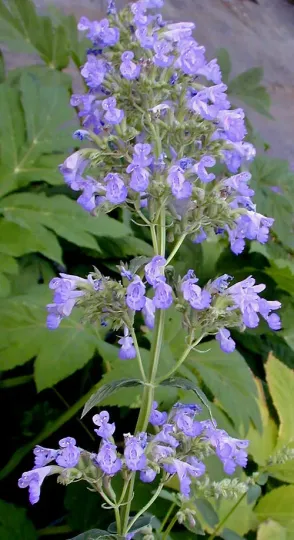
Description
Sowing dates
Parnassian catmint is a perennial herbaceous plant belonging to the Lamiaceae family. Seeds are typically sown in early spring, once the soil warms up to 10–12°C, or during the late autumn as a dormant seeding.
For direct soil sowing, it is crucial to ensure shallow coverage of seeds, ideally 0.5–1 cm deep, as the seeds are highly sensitive to planting depth and require light for germination.
When using the transplant method, seeds should be started indoors in March, which allows for the development of a robust root system before transplanting outdoors in May.
The optimal planting density is approximately 4–6 plants per square meter, ensuring proper air circulation to mitigate the risk of fungal disease development.
Seedlings typically emerge within 14–20 days after sowing, provided that soil moisture is consistently maintained and environmental temperatures remain stable.
Growing requirements
The crop thrives in open, sunny locations where intense light exposure promotes the accumulation of essential oils within the green biomass of the plant.
Parnassian catmint is not particularly demanding regarding soil types; however, it shows superior growth performance in light sandy or loamy soils with a neutral or slightly alkaline pH.
The plant possesses high drought resistance, making it a viable candidate for cultivation in moderately warm climates provided that the planting site is well-drained.
A critical factor for successful growth is the prevention of water stagnation, as excessive moisture often leads to root rot and rapid deterioration of the root collar.
During the active vegetative phase, the plant requires moderate watering, particularly during the budding stage, to enhance both its aesthetic appeal and oil yield.
Main diseases and pests
The primary pests affecting Parnassian catmint include leaf-damaging insects such as aphids and spider mites, which are particularly prevalent during dry and hot growing seasons.
The most significant diseases are root rot and powdery mildew, often resulting from improper agricultural practices, such as excessive moisture or overcrowding of plants.
To prevent the spread of pathogens, it is recommended to practice crop rotation and timely weeding, as weeds can serve as hosts for various plant pests.
Preventive measures include the use of high-quality seeds and regular soil aeration to improve oxygen availability to the root system of the crop.
In cases of severe pest infestation, the use of biological control agents is preferred, as chemical pesticides are unsuitable for crops intended for medicinal use.
Harvesting
Raw material harvesting is conducted during the mass flowering phase, as this is when the concentration of essential oils in the leaves and inflorescences reaches its maximum.
The aerial parts of the plant are harvested by cutting 10–15 cm above the soil surface, using sharp tools to avoid damaging the crown and to facilitate healthy regrowth.
Drying of the harvested material must be performed in shaded, well-ventilated areas or in specialized industrial dryers at temperatures not exceeding 40°C.
Parnassian catmint is widely utilized in the pharmaceutical industry and perfumery due to its unique aromatic profile and high content of bioactive compounds.
The plants exhibit good regenerative capacity after harvesting, allowing for a potential second cut in favorable seasons, thereby maximizing the overall productivity of the field.