
Ixiolirion
Ixiolirion
Planting Ixiolirion in open ground should be performed during the autumn period, typically between September and October. It is crucial to plant the bulbs before the ground freezes, allowing them to establish a strong root system before winter dormancy.
What the section contains

Ixiolirion
Spring planting often results in weaker blooms, as the bulbs require a cool period to develop properly. The optimal planting depth is approximately 8 to 10 centimeters, depending on the soil texture and bulb size.
To ensure healthy growth, space the bulbs 10–15 centimeters apart. Adequate spacing promotes better air circulation, which is vital for preventing fungal diseases in the foliage and root systems.
In regions with harsh winters, covering the planting area with mulch such as dry leaves or peat is recommended. This protective layer prevents the bulbs from frost damage during snowless periods.
Remove the mulch in early spring as the soil begins to thaw. This allows the shoots to emerge freely and catch the early spring sun, which is essential for uniform and vigorous growth.
Ixiolirion is a genus of perennial bulbous plants belonging to the Ixioliriaceae family, native to Central Asia and the Caucasus. These plants are well-adapted to environments characterized by distinct dry and wet seasons.
The culture thrives in sunny, open locations that offer protection from strong winds. Soil must be well-drained, as these plants are highly sensitive to moisture excess and root rot in waterlogged conditions.
A sandy or loamy soil with a neutral or slightly alkaline pH is ideal for Ixiolirion cultivation. Ensuring good soil structure and drainage is the most important factor in the success of the planting site.
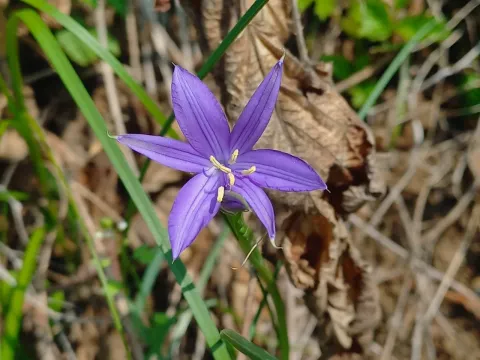
Botanically, the plant is characterized by thin, linear leaves and beautiful funnel-shaped blue to violet flowers arranged in loose racemes. The flower stems reach heights of 30–50 centimeters, making them attractive for landscape design.
During the active growth phase, moderate watering is necessary. However, after the flowering period ends and leaves start to yellow, water should be significantly reduced to allow the bulbs to undergo a natural drying process.
The primary threat to Ixiolirion is root and bulb rot, caused by poor drainage or excessive soil moisture. Once a bulb is infected, it softens and eventually decomposes, leading to the death of the entire plant.
Onion flies represent a significant pest for this crop. Their larvae burrow into the bulbs, feeding on internal tissue, which causes the plant to wilt prematurely. Control measures include soil treatment and removing infected bulbs.
In periods of high humidity, fungal infections like botrytis or fusarium can affect the foliage. Visible symptoms include necrotic spots on leaves and stems, which can quickly spread to the bulbs if left untreated.
Preventative measures include fungicide treatment of bulbs before planting and maintaining a clean growing area. Regular weeding helps to prevent the spread of diseases and pests from surrounding vegetation.
If an infestation is detected, apply systemic insecticides or fungicides specifically formulated for bulbous crops. Early identification is the key to maintaining a healthy patch of Ixiolirion.
Seeds should be harvested once the seed pods have fully matured, turned brown, and become dry. Once collected, they should be cleaned and stored in paper bags in a cool, dark, and dry environment until sowing.
When harvesting bulbs, wait until the foliage has completely withered and dried. This process ensures that the nutrients have been fully returned to the bulb, supporting the plant's health for the next season.
Carefully lift the bulbs from the soil, gently shaking off excess dirt. Separate the offsets from the parent bulbs, and inspect every unit to ensure only healthy, undamaged bulbs are kept for storage.
Store the harvested bulbs in a ventilated, cool room with a stable temperature around 15–18 degrees Celsius. Proper storage prevents premature sprouting or dehydration of the bulbs.
Use mesh bags or perforated trays for storage to maximize airflow. Regularly inspect stored bulbs for any signs of decay and remove any compromised ones immediately to protect the rest of the supply.