
Japanese bryony
Bryonia japonica
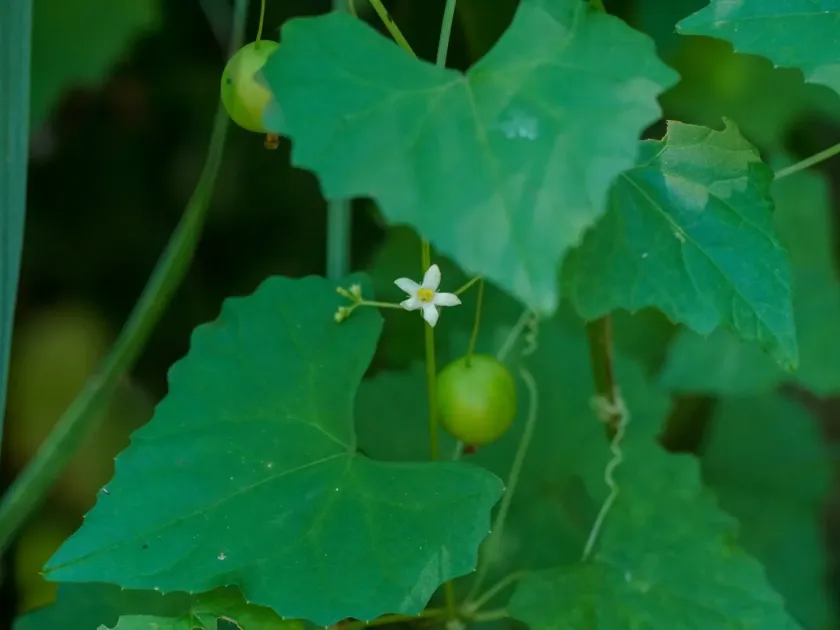
Description
Sowing dates
Japanese bryony is a perennial herbaceous vine, and it is primarily propagated through seeds or vegetative division of the rootstock. Sowing should ideally occur in the spring once the soil temperature reaches 15–18 degrees Celsius.
To improve germination rates, seeds should be stratified at low temperatures for approximately one month. In open-field conditions, sowing can be conducted in April or May, depending on the specific climatic zone and local frost dates.
If utilizing a seedling approach, seeds are planted in trays during February or March to ensure robust plants are ready for transplanting in June. Seeds should be sown at a depth of 1.5–2 centimeters in a loose, nutrient-rich substrate.
Providing a reliable support structure is essential as this species is a climbing plant with strong tendrils. A minimum spacing of 1 meter between rows is recommended to facilitate proper airflow and sunlight penetration for the foliage.
Consistent soil moisture is critical during the initial germination phase until the first true leaves appear. Once the seedlings reach a height of about 15 centimeters, the first hilling operation helps to stabilize the root system.
Growing requirements
The plant thrives in well-lit areas but can tolerate partial shade, maintaining good vegetative growth rates in varied light conditions. The primary soil requirement is excellent drainage combined with high fertility.
This species is highly susceptible to waterlogging, which can quickly lead to root rot in its fleshy tubers. A neutral soil pH range of 6.0–7.5 is ideal for efficient nutrient uptake and overall plant vigor.
Regular irrigation is necessary during the active growing season, particularly during drought conditions. A balanced mineral fertilizer should be applied twice per season: once to stimulate initial growth and again before the onset of flowering.
Japanese bryony is well-adapted to temperate and subtropical climates, successfully overwintering with adequate mulch protection. In colder regions, covering the root zone with peat or compost is necessary to protect against freezing temperatures.
The optimal temperature for rapid stem and foliage development ranges from 20 to 25 degrees Celsius. In cases of extreme heat, providing partial shade helps prevent leaf scorch and maintains the moisture balance of the plant.
Main diseases and pests
Common pests include spider mites and aphids, which often target the tender growing tips of the vine. Regular monitoring and the application of appropriate insecticides can prevent significant damage during the peak growing period.
Powdery mildew is the most significant fungal threat, usually developing under conditions of high humidity and poor ventilation. Proper spacing and airflow management are the most effective preventive measures against this disease.
Root rot poses a significant danger in poorly drained, heavy clay soils. Ensuring the soil is aerated and adding organic matter or sand can significantly improve drainage and reduce the risk of soil-borne pathogens.
Various leaf spot diseases may appear if crop rotation practices are ignored. It is strongly advised not to plant Japanese bryony in fields previously occupied by other members of the Cucurbitaceae family.
Integrated pest management strategies, including the use of biological control agents and maintaining general garden hygiene, are recommended to minimize the reliance on synthetic chemicals.