
Ixiolirion tataricum
Ixiolirion tataricum
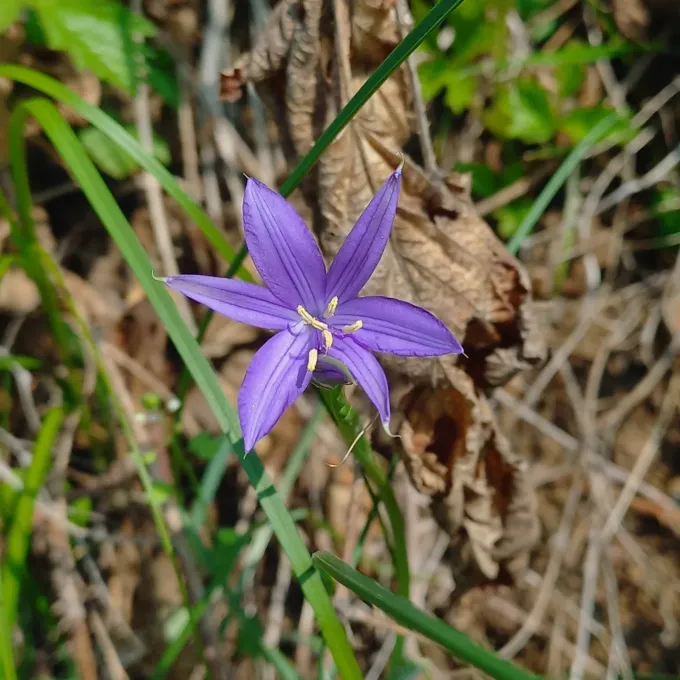
Description
Sowing dates
Ixiolirion tataricum belongs to the Ixioliriaceae family, representing a group of ephemeral plants adapted to harsh steppe environments.
The plant can be propagated by seeds or by offsets of bulbs, with bulb division being the preferred method for maintaining the specific traits of the species.
Bulbs should be planted in the autumn, ensuring the soil is cool enough to prevent premature sprouting before the onset of winter dormancy.
When using seeds, they require stratification; therefore, autumn sowing in the open field is the most natural and effective way to ensure successful germination in spring.
The depth of planting is crucial: bulbs should be set at about 5 to 8 centimeters deep, while seeds require a shallow covering of light soil, approximately 1–2 centimeters.
Growing requirements
This species demands excellent drainage; it naturally thrives in rocky or sandy soils that do not retain excess water during the dormant season.
Full sun is a non-negotiable requirement for Ixiolirion tataricum, as shade leads to weak stems and poor flower production in this desert-adapted plant.
The soil should have a neutral to slightly alkaline pH, mirroring the conditions of its native habitats in Central Asia and the surrounding regions.
Climate management involves keeping the bulbs dry during their summer dormant period, which is essential to prevent physiological stress and decay.
In colder climates, applying a protective layer of mulch after the ground freezes helps prevent deep frost penetration, which can damage sensitive bulbs.
Main diseases and pests
The most common agricultural threats to Ixiolirion tataricum are fungal diseases caused by moisture-related issues such as waterlogged soil.
Root and bulb rot pathogens frequently strike when drainage systems are inadequate, leading to the rapid collapse of entire garden beds.
Pests such as bulb mites and onion flies represent a significant threat to the plant's health, often attacking the base of the bulb during active growth.
Slugs and snails are known to feed on the tender foliage in early spring, which can stress the plant and reduce the energy reserves needed for next season's growth.
Integrated pest management strategies should include proper site selection, careful inspection of bulbs before planting, and moisture control throughout the year.