
St. Andrew's Cross
Ascyrum hypericoides
Description
Growing requirements
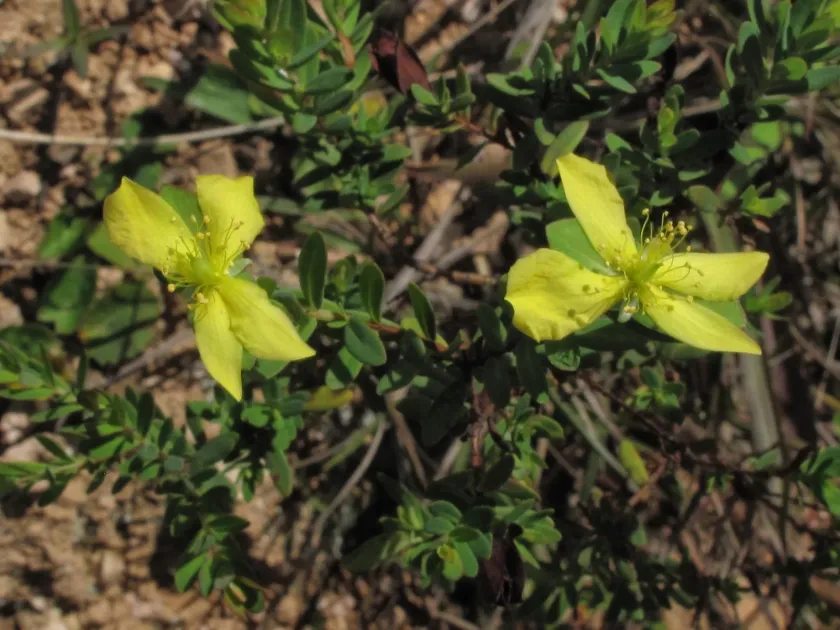
St. Andrew's Cross, known botanically as Ascyrum hypericoides, is a perennial semi-shrub belonging to the Hypericaceae family. Native to North and South America, it is widely recognized for its distinctive yellow flowers with four petals arranged in a cross shape.
The plant typically reaches a height of 1–2 feet, featuring slender, flattened branches. Its botanical adaptability allows it to thrive in various sandy or rocky soils, provided that the drainage remains excellent throughout the growing season.
Regarding climate, this species prefers warm, temperate conditions. While it is hardy in many zones, it thrives best in areas with full sun to partial shade, which helps maintain its compact, dense growth habit and promotes prolific flowering.
Soil management for this culture involves maintaining a slightly acidic pH level. Incorporating organic matter, such as compost or leaf mold, during planting can significantly improve the soil structure and nutrient availability for the plant.
Routine maintenance includes occasional light pruning to encourage bushier growth. Watering should be deep but infrequent, allowing the top inch of soil to dry out between sessions to prevent physiological stress caused by waterlogged conditions.
Main diseases and pests
The most common health issues for St. Andrew's Cross are related to fungal infections resulting from poor drainage or high humidity. Root rot is a significant threat that can be mitigated by ensuring proper soil aeration and site selection.
Pests such as aphids and spider mites may occasionally infest the foliage, particularly during extended dry spells. Regular inspection of the undersides of leaves is recommended to detect these pests before they reach a damaging population level.
Cultural control methods, including proper spacing and weed management, are the most effective ways to prevent disease. Removing dead or diseased plant material promptly helps maintain the overall health and vigor of the garden bed.
If chemical intervention becomes necessary, integrated pest management (IPM) practices should be followed to protect beneficial insects. Always use products approved for ornamental use and apply them during the cooler hours of the day.
Monitoring the soil moisture levels is critical for disease prevention. Using organic mulch around the base of the plant can help regulate temperature and moisture, further reducing the vulnerability of the plant to environmental stresses.