
Hylocomium
Hylocomium
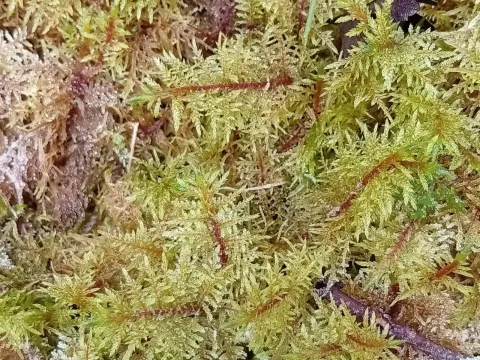
Hylocomium splendens, commonly known as glittering wood-moss, is a prominent member of the Hylocomiaceae family. It is a perennial moss widely distributed across the boreal and temperate forests of the Northern Hemisphere.
What the section contains

Hylocomium
The plant is botanically recognized by its distinctive frond-like, tiered growth habit. Each annual increment of the stem forms a new layer, which is a unique characteristic that aids in identifying the biological age of the moss colonies.
It thrives in moist, shaded environments, typically under the canopy of coniferous forests. High atmospheric humidity and consistent substrate moisture are critical requirements for the survival and expansion of these moss mats.
While not a conventional agricultural crop, Hylocomium is essential for forest floor health. It regulates soil temperature, promotes moisture retention, and contributes to the long-term decomposition of forest litter.
The moss requires stable, slightly acidic soil conditions rich in humus. It is highly intolerant of direct exposure to intense sunlight and drought conditions, which quickly lead to the desiccation of its delicate tissues.
The primary threats to Hylocomium populations include industrial pollution and changes in microclimatic conditions following deforestation. As a bioindicator, it is exceptionally sensitive to sulfur dioxide and nitrogen deposition.
Habitat fragmentation and the removal of the forest canopy lead to increased solar radiation and reduced moisture, which are fatal to stable colonies of this species.
Mechanical disturbance from human activity, such as logging operations and heavy recreational foot traffic, causes fragmentation of the moss carpets, hindering their ability to recover efficiently.
Pathogenic fungi may colonize moss patches if the balance of the micro-ecosystem is disrupted, leading to the decay of the foliage and eventual dieback of the colony.
Competition from invasive plant species, often favored by soil nutrient changes due to nitrogen runoff, poses an increasing threat to the preservation of natural Hylocomium habitats.